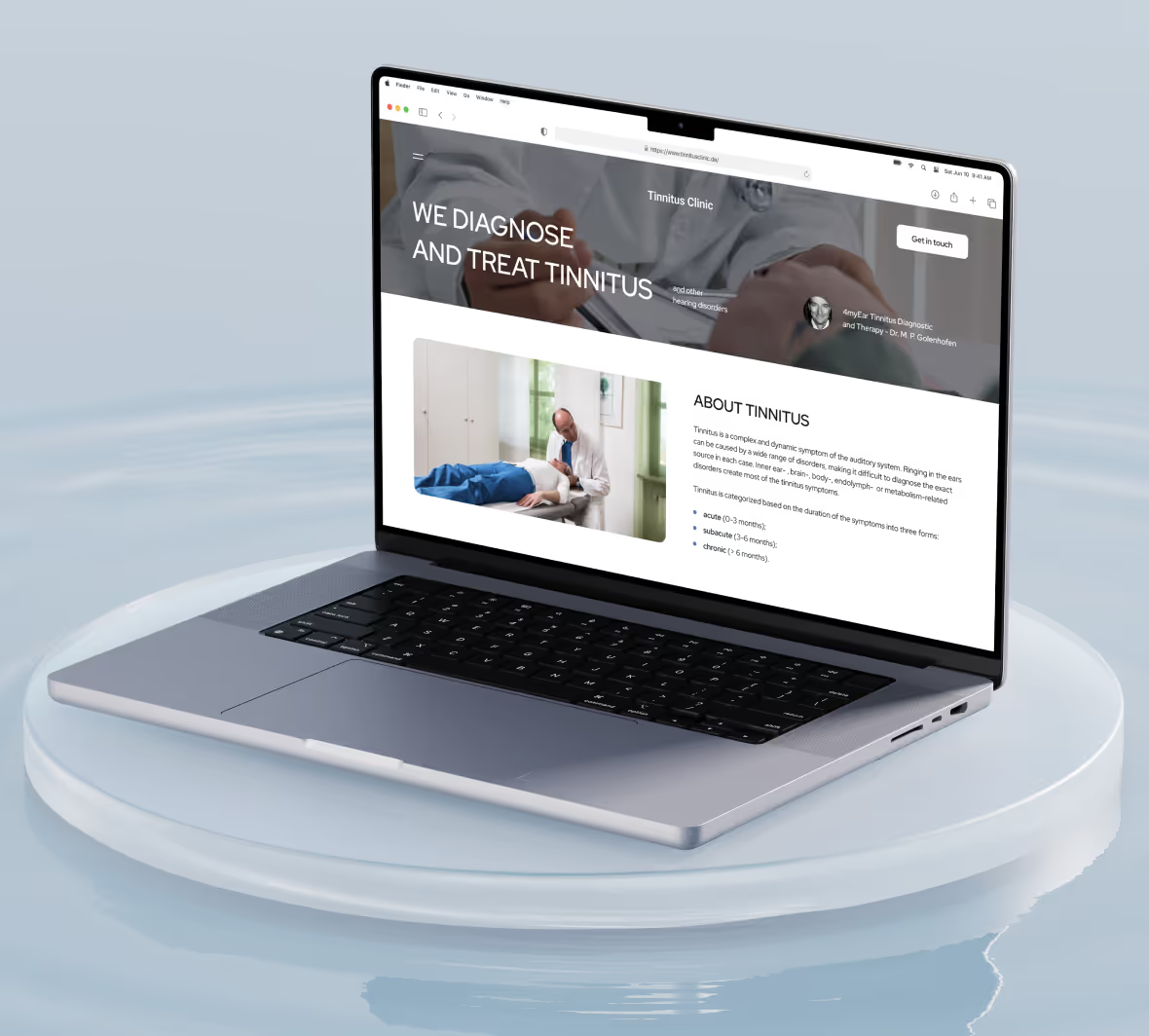

50 Best Website Design Examples 2026: Inspiring UI & Templates

Standing out in the crowded digital space is tougher than ever in 2026. With the 50 best website design examples setting a new bar each year, founders face intense pressure to create sites that not only look good but perform flawlessly.
Today, great website design is more than just visuals. It blends aesthetics, user experience, and technology to drive real business results. This is especially relevant for non-technical founders ready to invest in serious growth.
In this article, you will discover 10 inspiring sites handpicked from the 50 best website design examples. Each offers practical lessons for founders and marketers. Explore what makes these examples great, and gain actionable steps to help your own website stand out.
What makes a website design one of the "best" in 2026?
Standing out in the crowded digital landscape is harder than ever. In 2026, the 50 best website design examples are defined by more than just good looks. The bar keeps rising as user expectations, technology, and design standards evolve at speed.
Evolving standards and user focus
The 50 best website design examples in 2026 are shaped by shifting visual trends, rising user expectations, and new technology. Modern sites blend minimalism with bold colours, micro-interactions, and clean layouts. But visuals are only part of the story. Today, the user sits at the centre of every design decision. Accessibility is not optional, and responsive layouts for every device are a must. Intuitive navigation helps users find value quickly, while clear calls to action drive engagement.
Performance, speed, and storytelling
Site speed and performance are now non-negotiable. Users expect fast-loading pages and smooth interactions, no matter their connection or device. The 50 best website design examples prioritise optimised images, efficient code, and minimal third-party scripts. This focus on speed leads to higher retention and lower bounce rates. At the same time, the best websites tell a clear brand story visually and verbally. Every element, from typography to imagery, reinforces what makes the brand unique and memorable.
Technology, data, and real-world impact
Emerging technologies like AI, animation, and interactive content are now mainstream in the 50 best website design examples. Personalised content, chatbots, and dynamic product recommendations keep users engaged. Design is no longer a one-time job — top sites use analytics and user feedback to iterate and improve. Real-world data backs up these trends. For example, Web design influences 94% of first impressions, highlighting how critical great design is for trust and conversions. Sites that invest in new tech and data-driven decisions see higher engagement and better business outcomes.
Conclusion and actionable insight
In 2026, the 50 best website design examples combine evolving standards, user-first thinking, top performance, and smart use of technology. For founders, learning from these sites means prioritising accessibility, speed, clear storytelling, and ongoing improvement. By analysing the leaders, you can build a site that not only looks great but drives real results for your business. To understand how continuous improvement applies to design, read about Key Phases Of The Iterative Design Process.
How to evaluate and learn from top website designs
Understanding what sets the 50 best website design examples apart is key for founders aiming to build a standout digital presence. Analysing leading sites helps you identify patterns, strengths, and ideas that can be tailored to your unique business goals. The right approach ensures you do not just admire great design, but actively learn from it.
Key criteria to assess design quality
Evaluate each website by looking at visual hierarchy, effective use of typography, colour schemes, layout, and overall consistency. Strong visual hierarchy guides users to key actions, while thoughtful typography makes content easy to scan. Consistent use of colour and layout reinforces branding and helps visitors feel at home on every page. For deeper insights into visual design principles, explore our guide on 8 Essential UI UX Best Practises Web App Design 2026.
Functionality should always support creativity. Innovative visuals or interactive elements must not get in the way of a clear user journey. If a site looks impressive but confuses visitors, it loses out on conversions and engagement.
Mobile-first and accessibility matter more than ever
With mobile traffic outpacing desktop, every site in the 50 best website design examples must be fully responsive. This means layouts adapt smoothly to any device size, keeping navigation and content accessible for all users. Responsive design is not just about resizing elements, but about rethinking user flow for smaller screens. Understanding mobile-specific design patterns is crucial — our 25 mobile app design best practices guide offers actionable insights for creating exceptional mobile experiences.
Accessibility in 2026 is about more than ticking boxes. It means clear contrast, keyboard navigation, alt text for images, and readable font sizes as standard. These features make your site usable for everyone, including those with disabilities, and reflect a modern, inclusive brand.
Benchmark, analyse, and apply lessons
Founders should study competitors and top performers in their field. Use the 50 best website design examples as inspiration, not a blueprint to copy. Identify what works—such as layout choices or interactive features—and adapt them to your voice and audience.
Translate these insights into practical steps. Start by auditing your own website for speed, consistency, and user experience. Tools like heatmaps and session recordings can highlight friction points. Remember, even small design changes can lead to big improvements in metrics like bounce rate and session duration. For example, fast-loading websites lead to a 35% increase in session duration, underscoring the importance of performance. To create user-centred experiences, study our UX design principles for web apps guide.
Turn inspiration into action
Learning from the 50 best website design examples is only valuable if you act on those lessons. Prioritise clarity, accessibility, and a user-centred approach. Use competitor analysis to inform your next design sprint, and test changes with real users. This cycle of evaluation, inspiration, and improvement will help your website stand out in 2026.
10 of the 50 best website design examples for 2026
Standing out online in 2026 is more challenging than ever. Out of the 50 best website design examples analysed this year, these 10 sites set the gold standard for innovation, user experience, and business impact. Each example below offers practical lessons, whether you are a founder preparing to launch an MVP or a marketer aiming to boost conversions.
Explore how these leading designs blend technology, storytelling, and usability to deliver real results. Let's dive in.
HeyFriends!
HeyFriends! stands out among the 50 best website design examples for 2026 by embracing a playful, hand-drawn aesthetic. The site's bold typography and bright colour palette immediately engage visitors. Pricing details are not listed publicly, as HeyFriends! focuses on tailored projects for content creators and small brands.
Key features include custom illustrations, large interactive buttons, and concise calls to action. The site is easy to navigate, with a mobile-first layout that performs smoothly across devices.
HeyFriends! appeals to creators and marketers who value personality and storytelling. Its biggest strengths are strong brand identity and conversion-focused design. The main drawback is that its playful style may not suit corporate or formal brands.
What makes HeyFriends! unique within the 50 best website design examples is its ability to communicate value instantly and memorably using relatable visuals and a clear message.
Ellipsus
Ellipsus earns its spot in the 50 best website design examples by offering a premium, editorial experience for writers and creatives. The site uses sophisticated typography, a sleek dark mode, and subtle hand-drawn annotations to create an immersive environment.
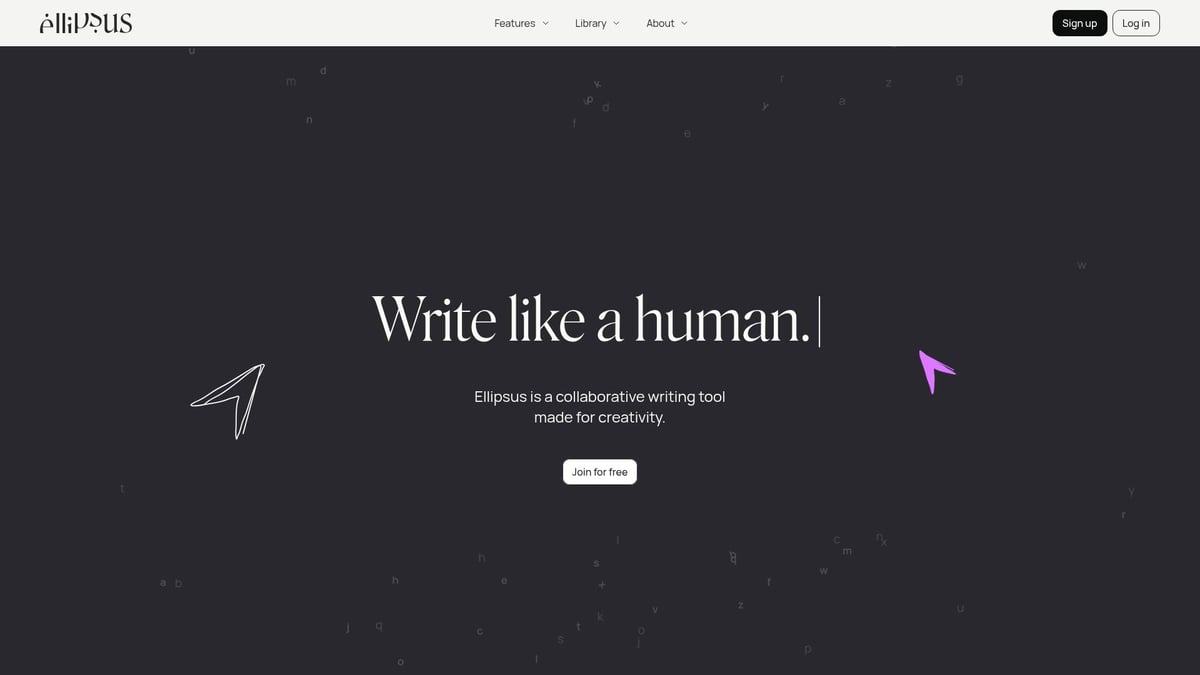
Ellipsus does not publish pricing, but its focus is on providing tools and content for creative professionals. The layout is highly readable, with clear hierarchy and generous white space, making it easy to focus on content.
This site is ideal for writers, publishers, and creative agencies. Its pros include a refined, timeless look and excellent readability. However, its niche appeal means it may not be the best fit for e-commerce or broad consumer sites.
Ellipsus combines classic design elements with modern web standards, making it a strong contender in the 50 best website design examples for those seeking inspiration in storytelling and layout.
UNITED24 Rebuild Map
Among the 50 best website design examples for 2026, UNITED24's Rebuild Map is a standout for transparency and social impact. The site features an interactive map that visualises real-time data on reconstruction projects, with donation integration built in.
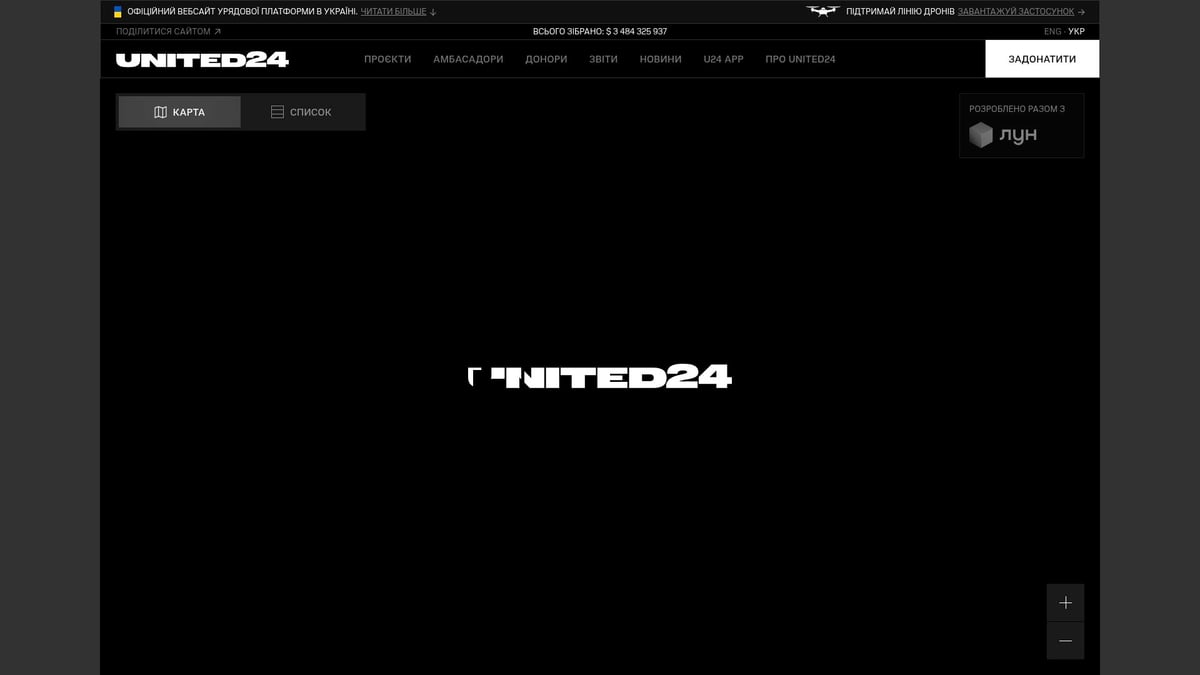
Pricing is not relevant, as the platform is donation-driven. Its core features include dynamic content, high-contrast visuals for accessibility, and seamless navigation between map sections.
The target audience is donors, NGOs, and the public. Pros are its data-driven approach, trust-building design, and mobile optimisation. The main con is its potential complexity for less tech-savvy users.
What sets UNITED24 apart from other entries in the 50 best website design examples is its blend of social mission and technical innovation, making giving easy and transparent.
Abetka UA
Abetka UA shines in the 50 best website design examples with its educational and interactive storytelling. The site uses custom typography and vivid illustrations to immerse visitors in Ukrainian culture and history.
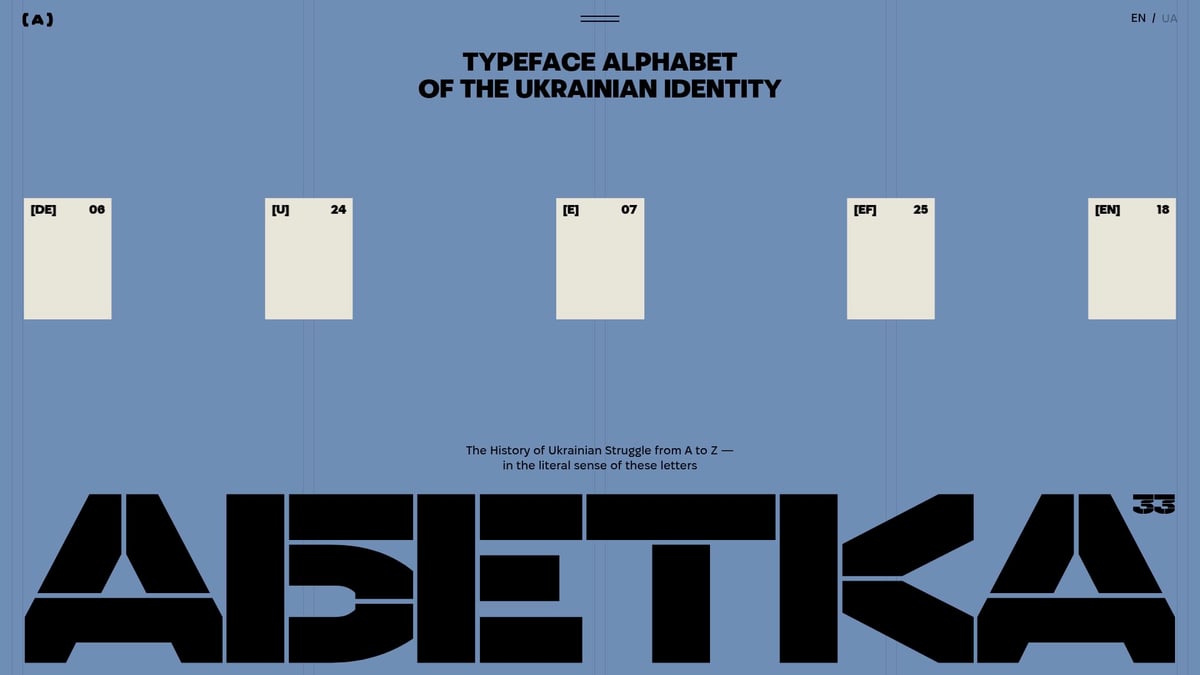
There are no pricing details, as Abetka UA is an educational resource. Its interactive features invite users of all ages to engage with content, making learning enjoyable and memorable.
The site is tailored for educators, students, designers, and cultural organisations. Strengths include its unique concept and strong educational value. The main limitation is its niche focus, which may not appeal to commercial projects.
Abetka UA's blend of history, design, and technology secures its place in the 50 best website design examples, offering lessons in interactive learning and visual storytelling.
Gemnote
Gemnote is featured in the 50 best website design examples for its seamless e-commerce experience and corporate gifting solutions. The site offers a user-friendly product configurator, extensive branded merchandise options, and enterprise integrations.
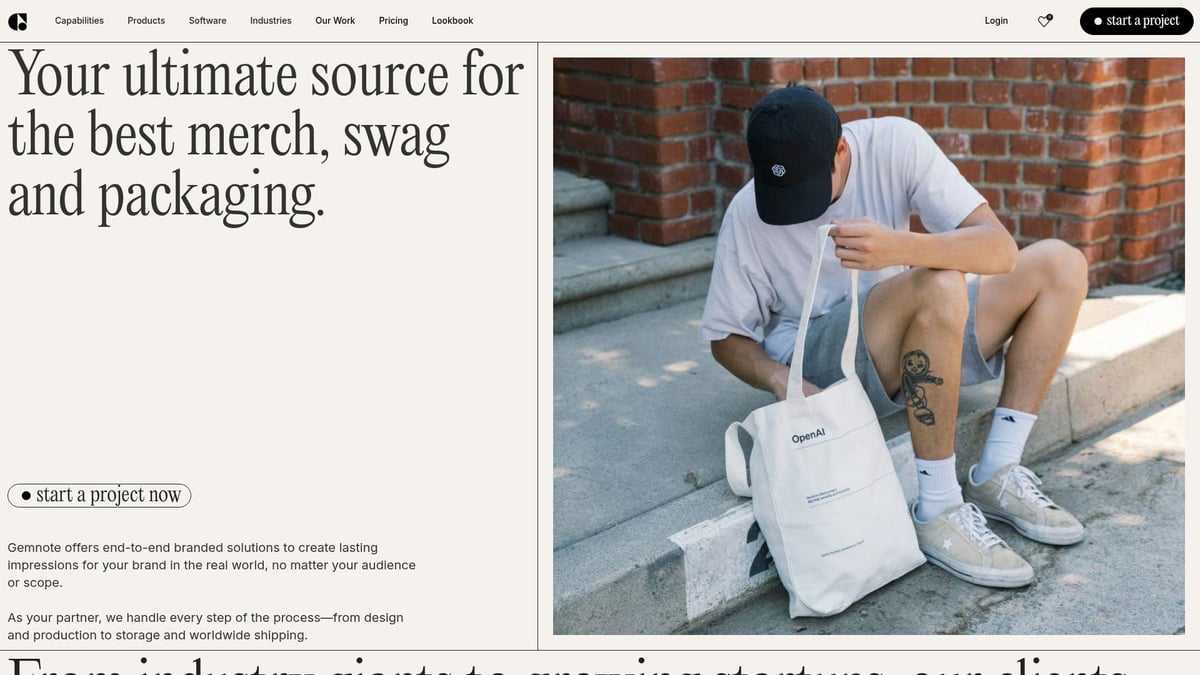
Pricing is customised based on order size and product selection. Gemnote's core benefits are efficiency and scalability, making corporate gifting easy for HR teams and marketing departments.
Gemnote's pros include intuitive navigation, scalability for large orders, and a polished, modern look. The main con is its focus on B2B, which limits appeal for individual buyers.
Its unique selling points, compared to others in the 50 best website design examples, are the breadth of products and seamless integration with corporate workflows, delivering a professional experience from start to finish.
British American Household Staffing Agency
This agency makes the 50 best website design examples list for its elegant, minimalist approach aimed at high-net-worth clients. The site features clear service descriptions, refined visuals, and a streamlined enquiry process.
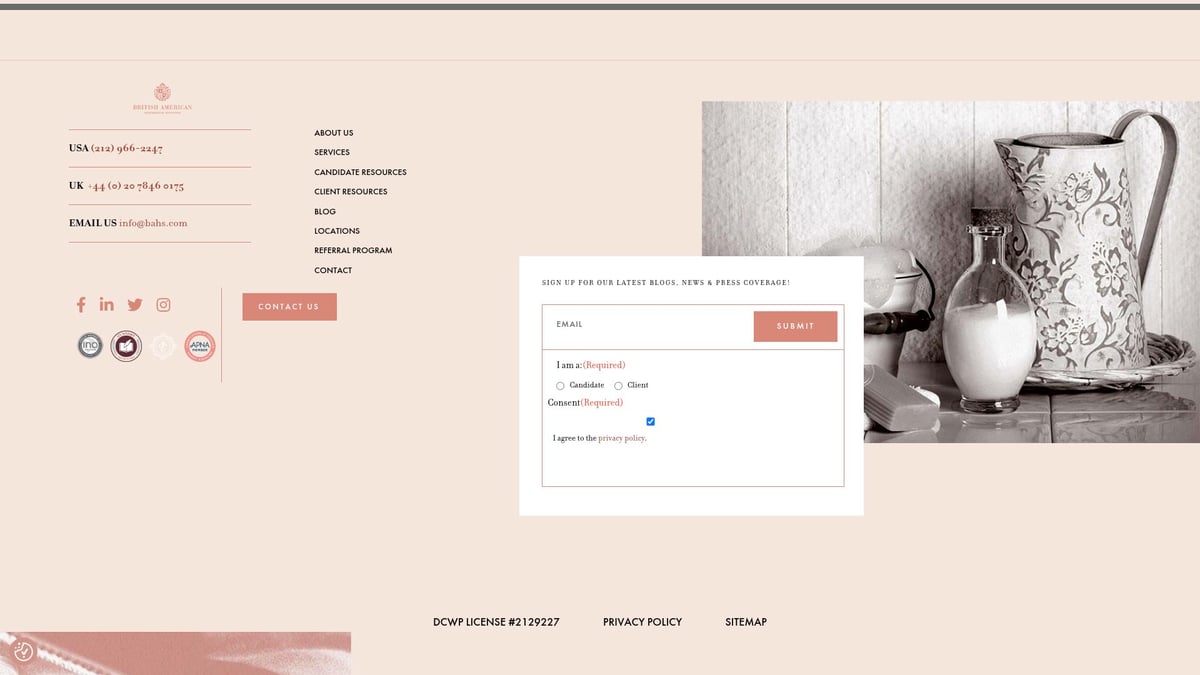
Pricing is bespoke, reflecting the tailored nature of its services. The design is professional and discreet, building trust with families and executives seeking household staff.
Key pros are intuitive navigation, mobile responsiveness, and a high-end aesthetic. The main con is its niche market, as the site is designed for luxury households rather than the general public.
What elevates this site within the 50 best website design examples is its ability to convey exclusivity and professionalism without overwhelming the user, making it a model for service-based businesses targeting discerning clients.
Mona Sans & Hubot Sans (GitHub)
Mona Sans & Hubot Sans is highlighted in the 50 best website design examples for its creative type showcase. The site uses cinematic typography, interactive font previews, and a dark mode to engage designers and developers.
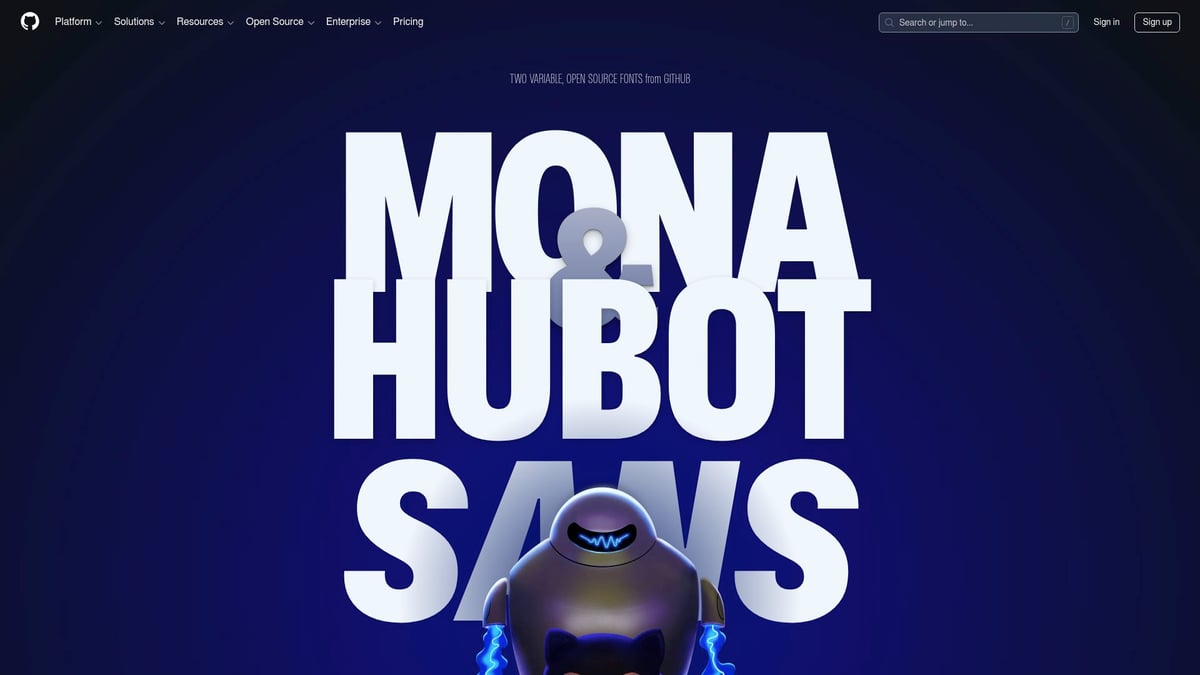
There are no pricing details, as the fonts are freely available for download. The site's strengths include strong brand integration, memorable visuals, and a smooth browsing experience.
It is aimed at designers, developers, and tech companies interested in typography. Pros are its immersive design and clear storytelling. The main limitation is its narrow focus on font promotion.
Within the 50 best website design examples, Mona Sans & Hubot Sans stands out for demonstrating how a single product can be elevated through thoughtful, interactive presentation.
The George Hotel Hamburg
The George Hotel Hamburg is included in the 50 best website design examples due to its strong visual storytelling and immersive user experience. The site features high-impact photography, a seamless booking system, and detailed local content.
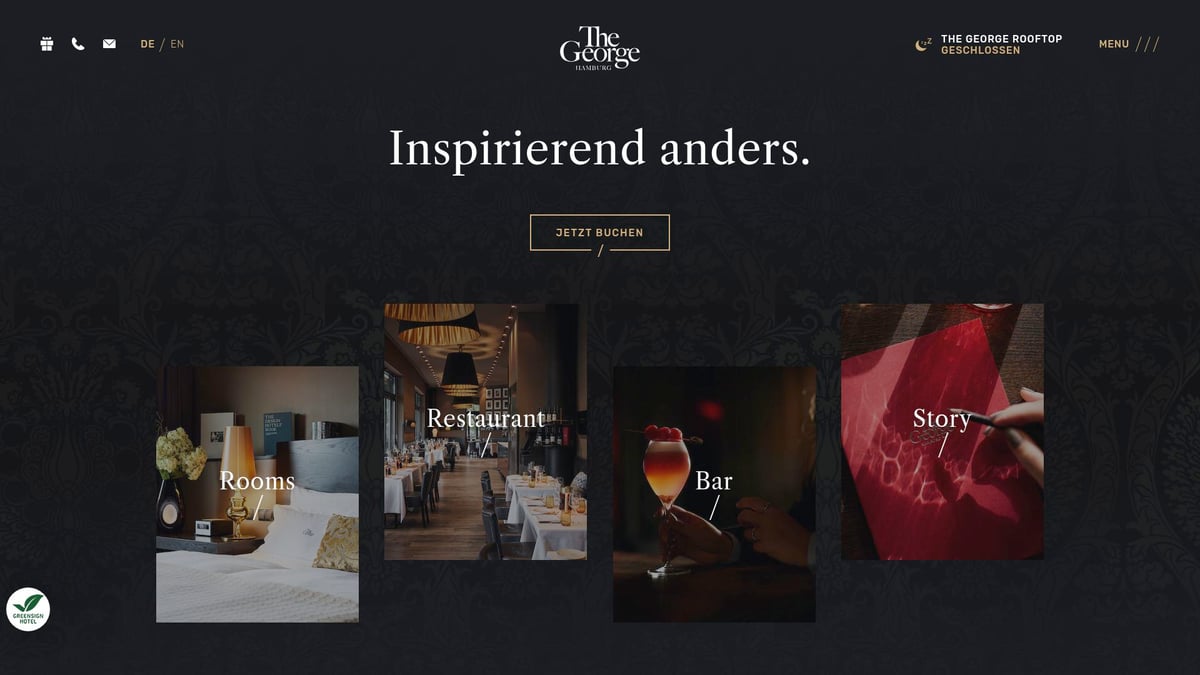
Pricing is available through the booking engine, with rates displayed for different room categories. The design blends tradition with modernity, appealing to travellers, event planners, and tourists.
Pros are seamless navigation, mobile optimisation, and a captivating atmosphere. The main con is that heavy imagery may affect load times on slower connections.
What distinguishes The George Hotel Hamburg among the 50 best website design examples is its ability to transport users into the hotel's world, increasing direct bookings and brand loyalty.
Squarespace
Squarespace consistently features in the 50 best website design examples for its all-in-one platform. It offers subscription-based plans, drag-and-drop editing, modern templates, and built-in e-commerce.
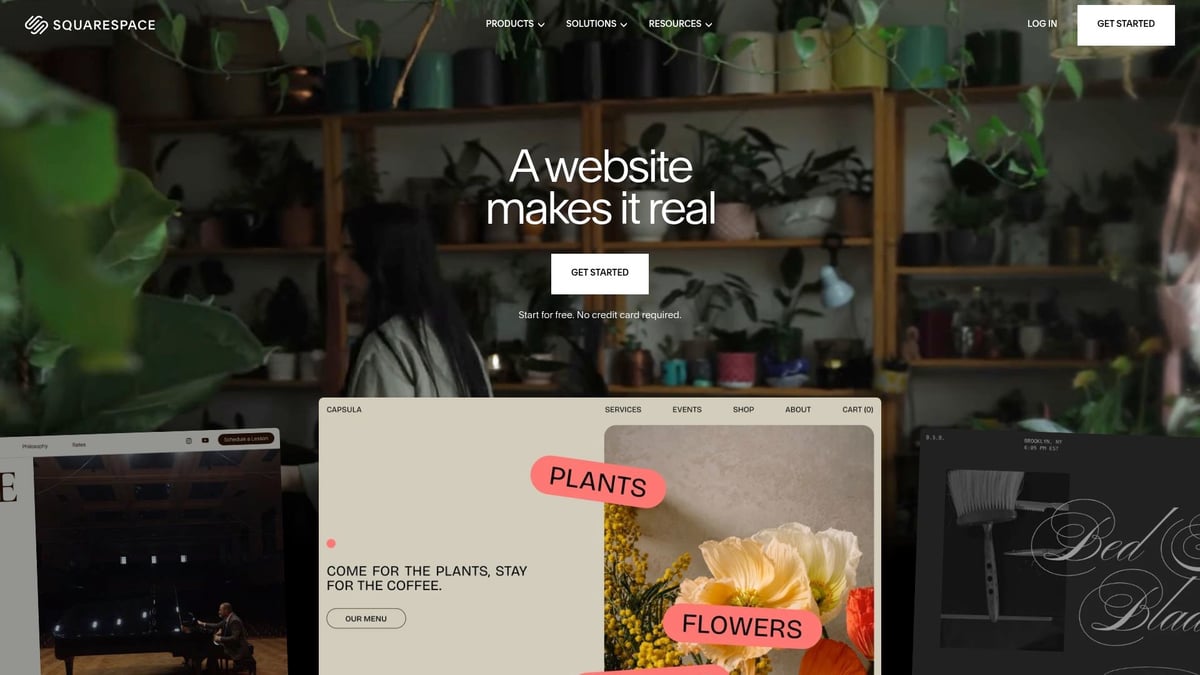
The platform's target audience includes small businesses, freelancers, and creatives. Key pros are its user-friendly interface, scalability, and regular updates. Cons include monthly fees and limited flexibility compared to custom builds.
Squarespace's unique value is enabling anyone to launch a professional website quickly. For founders exploring different tools, the Best no-code platforms for websites guide is a helpful resource to compare Squarespace with other leading solutions.
Its place in the 50 best website design examples is secured by its award-winning templates and ability to empower non-technical users to build standout sites.
Minimum Code
Minimum Code closes our list of the 50 best website design examples for 2026 with a strong focus on rapid MVP development. The site offers custom quotes, a free consultation, and end-to-end development using Bubble.io, Xano, Webflow, and Figma.

Pricing is tailored to project scope, making it accessible for startups and entrepreneurs. Minimum Code stands out for its fast turnaround, cost-effective solutions, and direct access to experienced founders.
It targets non-technical founders, startups, and small businesses across Europe. Pros are speed, transparency, and GDPR compliance. The main con is its focus on no-code/low-code stacks, which may not fit highly customised or legacy projects.
What makes Minimum Code unique among the 50 best website design examples is its official Bubble partnership, tailored support, and emphasis on security and compliance, making it a trusted choice for launching MVPs quickly. If you're interested in building apps without code, learn more about how to use Bubble to build serious apps without coding.
Key trends in website design for 2026
Staying ahead in digital design means understanding the trends shaping the 50 best website design examples for 2026. The future is driven by a mix of technology, user focus, and business needs. Founders need to be aware of these shifts to make sites that stand out and convert visitors.
AI-driven personalisation and dynamic content
Artificial intelligence is transforming how websites interact with users. In 2026, most of the 50 best website design examples use AI to personalise content, recommend products, or adapt layouts in real time. This approach lifts engagement and conversions, as users see what matters to them first.
Dynamic elements, like tailored landing pages or smart navigation, help founders deliver relevant experiences. According to recent insights, AI-driven personalization can lift conversion rates by up to 40%. For startups, this means higher ROI and stronger brand loyalty.
Minimalism, clarity, and immersive UX
Minimalist layouts and bold typography are at the core of top sites in 2026. Clean, uncluttered pages help users focus on the essentials, which is a key feature in the 50 best website design examples. Clear calls to action and logical visual hierarchy guide users through each step.
Immersive experiences are also on the rise. Micro-interactions, smooth animations, and technologies such as 3D or lightweight VR keep users engaged without causing distraction. As highlighted in Immersive technologies such as 3D, WebXR, and lightweight VR are becoming increasingly popular, these features make websites memorable and interactive.
Sustainability, accessibility, and performance
Sustainable design is no longer optional. Eco-friendly hosting and optimised assets reduce carbon footprints, which is a growing concern in Europe. The 50 best website design examples also lead with accessibility, ensuring all users, regardless of ability, enjoy a seamless experience.
Performance matters more than ever. Fast-loading pages and responsive images prevent users from bouncing. This is critical for founders who want their MVPs to perform well across all devices and regions.
Mobile-first and data-backed design
Mobile usage dominates in 2026, so every top site is designed to look and work perfectly on any device. Responsive layouts, touch-friendly interfaces, and adaptive content are standard in the 50 best website design examples.
Data-driven decisions set the leaders apart. Founders are using analytics, A/B testing, and user feedback to refine their sites post-launch. This ensures that every design change is backed by real results, improving both user experience and business outcomes.
How to apply these lessons to your own website or MVP
Launching a standout site today means more than just browsing the 50 best website design examples for inspiration. The real value comes from translating those lessons into practical steps for your own product. Whether you are building your first MVP or refreshing an established brand, here is how to put design insights into action.
Start with a website audit
Before you make changes, assess your current site with a simple audit. Focus on speed, accessibility, and user experience. Here is a quick checklist to guide you:
Regular audits help you spot gaps and benchmark your progress against the 50 best website design examples.
Map user journeys and optimise navigation
Draw a simple flowchart of how users reach their goals on your site. Identify friction points. Are calls to action easy to find? Is content grouped logically? Make changes so every user, regardless of device or ability, enjoys a seamless experience.
Leverage no-code tools for rapid MVPs
If you lack a technical co-founder, no-code platforms let you move fast. Tools like Bubble.io or Webflow can help you bring design inspiration from the 50 best website design examples to life without deep coding skills. For a step-by-step approach, see the Ultimate guide to MVP web design for practical advice on building strong design foundations using no-code solutions. You can also explore real-world examples of apps built with these tools in our 25 Best Bubble App Examples showcase.
Invest in brand storytelling
Your site should do more than look good. Use visuals and copy to communicate what sets your business apart. Think about the story your homepage tells in the first five seconds. Strong, consistent branding builds trust and helps users remember you.
Test, measure, and iterate
After launch, track key metrics like bounce rate, conversion, and session duration. Use analytics and user feedback to refine your design. This cycle mirrors the process behind the 50 best website design examples, where data-driven iteration keeps top sites ahead.
Know when to get expert help
Some challenges require specialist input. If you are unsure about compliance, advanced integrations, or want a truly polished MVP, consider working with a dedicated agency or partner.
Next steps
Ready to put these lessons into action? Book a call with Minimum Code for expert advice on launching your website or MVP. With the right process, you can move from browsing the 50 best website design examples to building your own standout site.
Having explored what sets outstanding website design apart in 2026 and seen real-world examples in action, you might be wondering how to apply these insights to your own project. Whether you are refining an existing site or planning a new MVP, the right approach can save you time, reduce costs, and help you launch with confidence. If you would like tailored advice or want to see how no code tools like Bubble io can accelerate your journey, I invite you to book a free discovery call. Let us help you turn inspiration into measurable results.
.avif)


Explore related articles


Ready to build your product?