
9 Best Bubble.io No-Code Apps Examples 2026 (Real Success Stories)


No code platforms have exploded in 2025, making it possible for founders without coding backgrounds to launch digital products quickly. Yet, many face the challenge of building and scaling apps without a technical co-founder or costly development team.
This article spotlights 9 best no code apps examples 2026 that are rewriting the rules for non-technical founders. You will discover real-world examples, pricing, features, and which types of founders each tool is built for.
If you want to launch, validate, or scale your next digital product faster and smarter, keep reading to see which of these tools could change your business.
What Makes a No Code App Game-Changing in 2026?
No code development has changed rapidly, especially by 2026. In simple terms, “no code” means platforms let anyone design and launch digital products using visual tools, not traditional programming. This year, the shift is clear. Platforms are more powerful, scalable, and easier to use than ever. You do not need a tech co-founder or deep coding knowledge to build and launch robust apps.
The best no code apps examples 2026 are defined by a set of clear criteria. First, speed. Founders can go from concept to launch in weeks, not months. Next, scalability. Tools must handle growth, from first users to thousands. Integrations are essential. The best no code apps examples 2026 connect with payment systems, CRMs, analytics, and other core business tools. Security is non-negotiable, especially for European founders dealing with GDPR. Finally, ease of use is crucial. If a platform is not intuitive, non-technical users will struggle to get value.
Market data shows why the best no code apps examples 2026 are so important. According to recent forecasts, the global no code AI platforms market is set to reach $24.7 billion by 2029, with a CAGR of 38.2%. This explosive growth means more startups and SMEs are choosing no code over traditional development. For more on these trends, see the No-code AI platforms market growth report. Adoption rates are highest among small businesses and solo founders who want to test ideas quickly, cut costs, and avoid hiring large development teams.
AI and automation are now standard features in the best no code apps examples 2026. These tools help founders automate workflows, analyse user behaviour, and personalise experiences. AI-driven builders suggest layouts, automate data entry, and even generate code behind the scenes. This means faster MVP launches and less manual work. Automation also allows businesses to scale without adding headcount, keeping costs down and efficiency up.
For non-technical founders, the best no code apps examples 2026 are a game-changer. They lower the barrier to entry, making it possible to launch viable products with small teams and limited budgets. Successful startups like Qoins, Comet, and Dividend Finance all began with no code tools. These platforms let founders focus on solving real business problems, not wrestling with code. The result is more innovation, quicker pivots, and better outcomes for early-stage companies.
The bottom line is clear. In 2026, the best no code apps examples 2026 are not just about saving time and money. They are about giving founders control over their vision, helping them build, launch, and scale without technical roadblocks.
9 Game-Changing Best No Code Apps Examples 2026
The landscape of best no code apps examples 2026 is more diverse, powerful, and accessible than ever. Founders without technical backgrounds can now build and scale digital products quickly. This section showcases nine standout platforms shaping the future of no code. Each example covers pricing, features, pros and cons, and who the tool is for, giving you a real-world sense of what’s possible.
Bubble.io
Bubble.io remains a core player in the best no code apps examples 2026. Its drag-and-drop builder allows you to create full-featured web and mobile apps without touching code. Pricing starts with a free tier, then paid plans from $29/month.
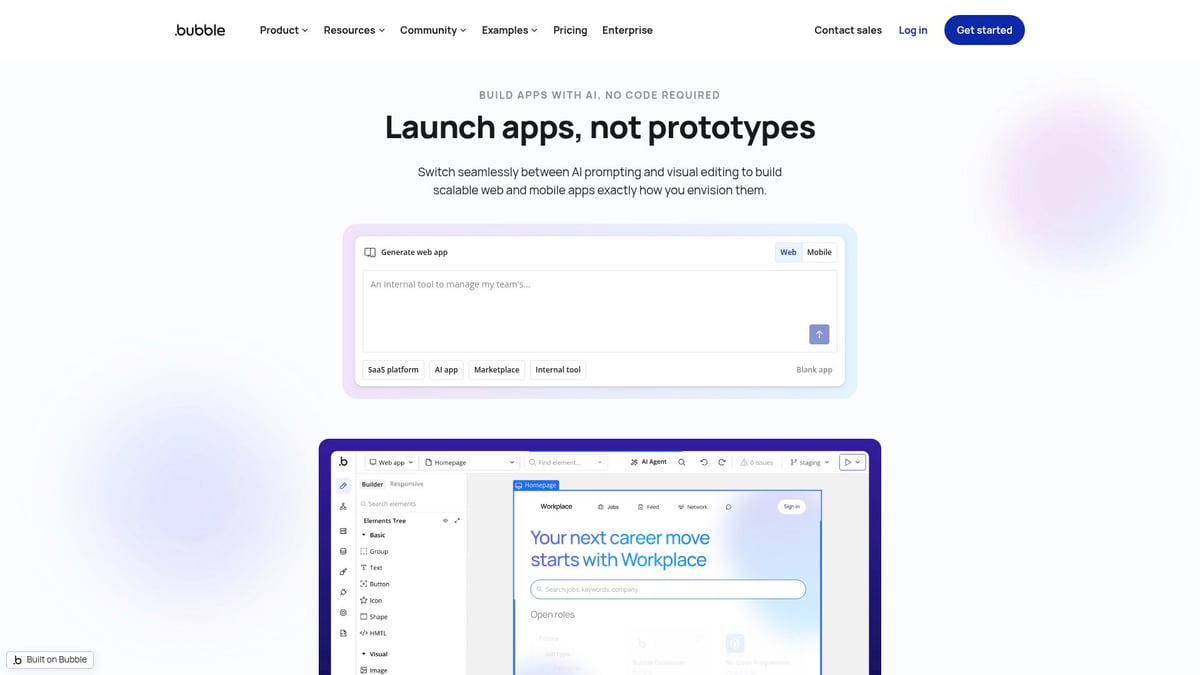
Key features include:
Visual app builder
Integrated database
Workflow automation
Responsive design and plugin marketplace
Bubble is ideal for startup founders, entrepreneurs, and MVP builders who want control over logic and design. You can launch SaaS products, marketplaces, client portals, or internal tools with ease.
Pros:
Extremely flexible and powerful
Handles complex business logic
Great community and resources
Cons:
Steeper learning curve than simpler tools
Performance relies on app design
Bubble stands out among the best no code apps examples 2026 for its scalability. If you are comparing it to other platforms, the Adalo vs Bubble platform comparison can help you make an informed choice.
Minimum Code
Minimum Code is unique in the best no code apps examples 2026 list because it is a service, not a DIY platform. Pricing is project-based, with custom quotes and ongoing support options.
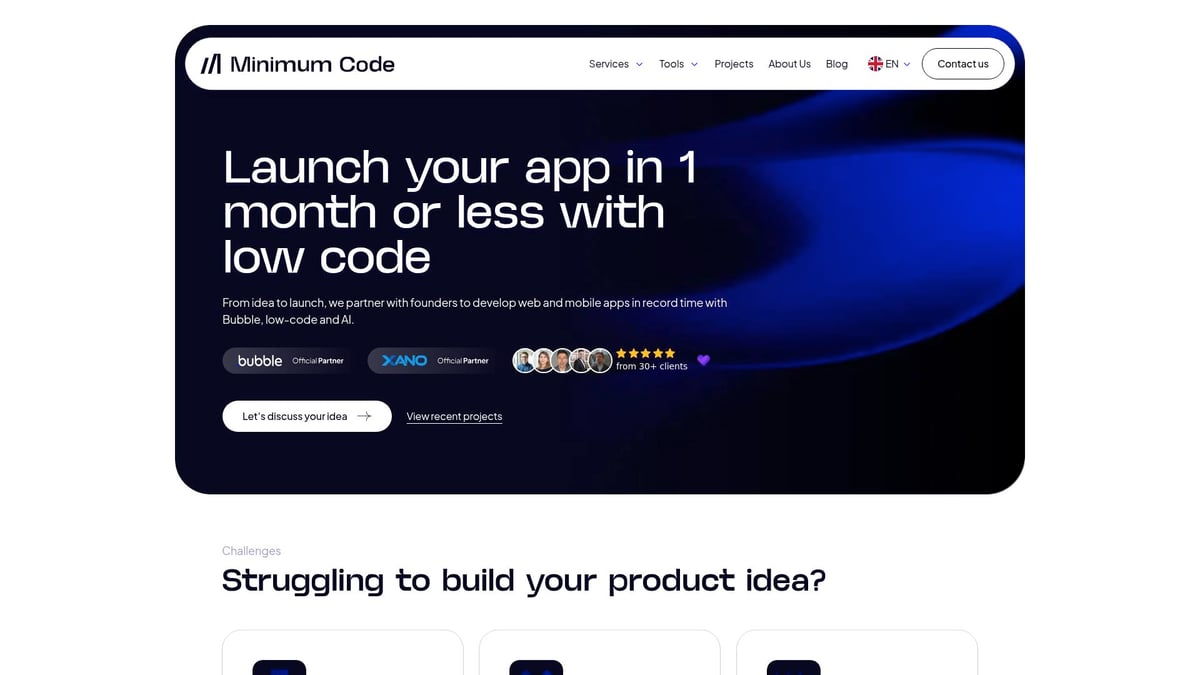
Key features:
End-to-end app development (Bubble, Xano, Webflow, Figma)
Fast launch (often within a month)
GDPR compliance and EU-based hosting
Expert support from discovery to launch
Minimum Code is perfect for European founders, non-technical entrepreneurs, and SMEs who need reliable delivery and support. Use cases include MVPs, web/mobile apps, and scaling existing products.
Pros:
Full development process handled by experts
Ongoing support and official Bubble partnership
Cons:
Not suitable for DIY founders
Requires upfront investment
For founders seeking a hands-off yet robust approach, Minimum Code delivers value in the best no code apps examples 2026 landscape.
Glide
Glide earns its spot among the best no code apps examples 2026 for its sheer speed and simplicity. The platform turns your data from Google Sheets, Airtable, or Excel into mobile and web apps, with a free tier and paid plans from $25/month.

Main features:
Instant app creation from spreadsheets
Drag-and-drop interface
Fast prototyping and deployment
The target audience includes small business owners, internal teams, and educators. Glide’s strengths lie in internal tools, dashboards, and data collection.
Pros:
Extremely user-friendly
Fast to launch and iterate
Great for data-driven apps
Cons:
Limited for custom or complex requirements
If you need to get a data-centric app live with minimal fuss, Glide is a top contender in the best no code apps examples 2026.
Webflow
Webflow continues to set the standard for visual website building in the best no code apps examples 2026. With a free tier and paid plans from $14/month, it offers:

Visual design tools
CMS and e-commerce features
Custom animations and SEO controls
Webflow targets designers, marketers, and founders who want pixel-perfect marketing sites, landing pages, e-commerce, or blogs.
Pros:
Professional design control
SEO-friendly and robust hosting
Cons:
Not ideal for complex app logic
Learning curve for advanced features
If you value design quality, Webflow is essential among the best no code apps examples 2026.
Airtable
Airtable is a powerful spreadsheet-database hybrid that plays a foundational role in many of the best no code apps examples 2026. It offers a free plan and paid options from $20/user/month.
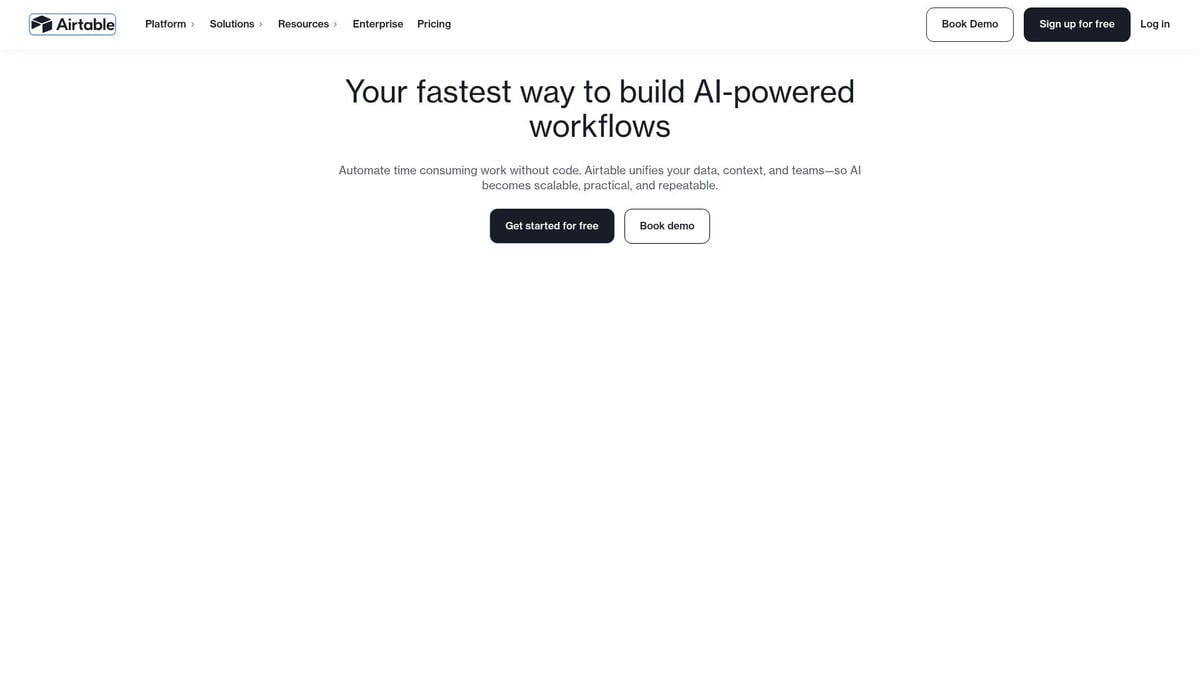
Key features:
Visual, flexible data management
Automations and integrations
Strong API ecosystem
Airtable is used by project managers, content teams, and operations for CRM, project tracking, and content calendars.
Pros:
Highly customisable and visual
Easy collaboration
Cons:
Not a full app builder
Best as a backend or database
Airtable underpins many solutions in the best no code apps examples 2026, connecting data with other no code tools.
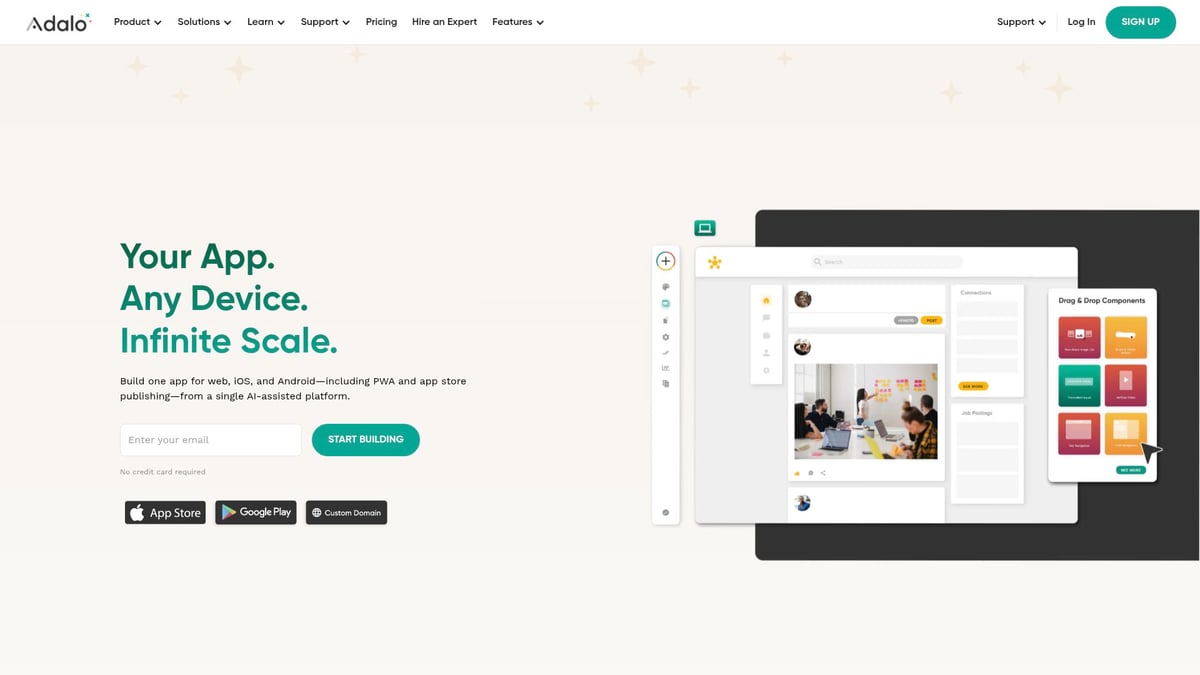
Adalo
Adalo is a drag-and-drop mobile app builder, making it a standout choice in the best no code apps examples 2026 for native mobile development. Pricing starts free, with paid plans from $45/month.
Features include:
Native publishing to iOS and Android
Built-in database and payments
App store submission
Adalo suits entrepreneurs, agencies, and educators looking to launch event apps, loyalty programs, or simple marketplaces.
Pros:
Fast prototyping and native publishing
No coding required
Cons:
Limited scalability for complex apps
Can become expensive at scale
For mobile-first projects, Adalo is indispensable in the best no code apps examples 2026.
Zapier
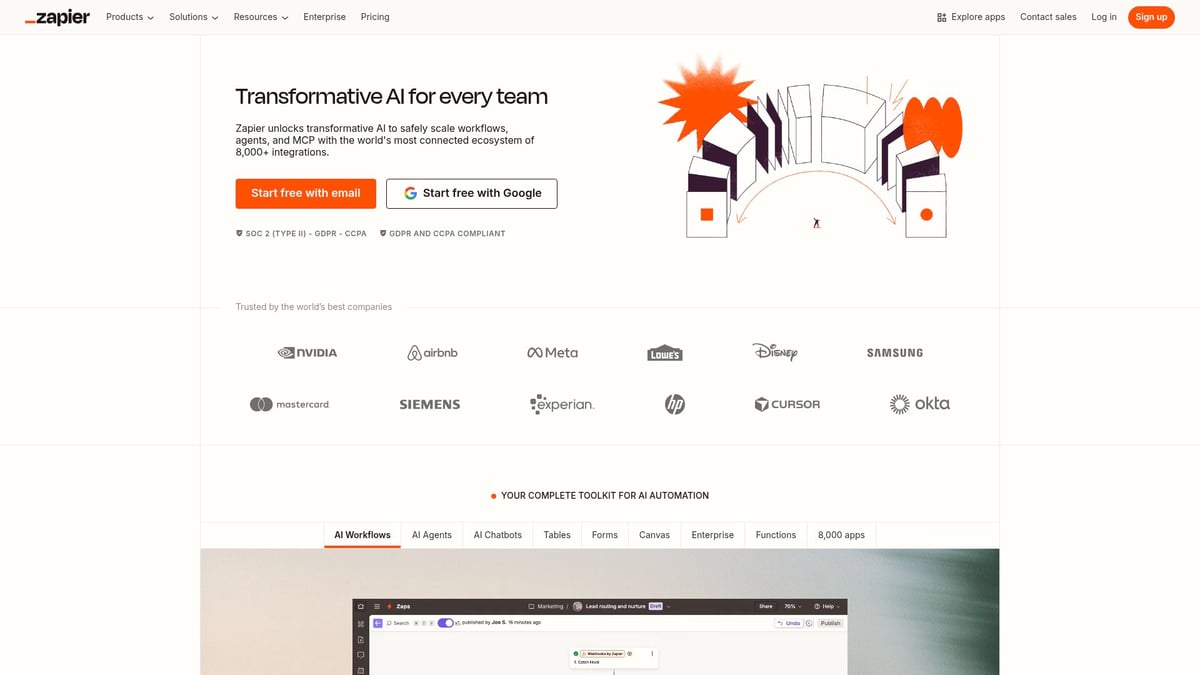
Zapier stands out in the best no code apps examples 2026 as the go-to tool for workflow automation. Its free tier and paid plans from $19.99/month allow you to connect 6,000+ apps.
Core features:
Workflow automation
Conditional logic
Extensive integrations
Zapier is perfect for marketers, operations, and founders automating lead capture, notifications, or data syncing.
Pros:
Saves time and reduces manual work
Huge integration library
Cons:
Complex workflows can be tricky to debug
Costs rise with usage
Zapier’s automation empowers many of the best no code apps examples 2026 by connecting tools and streamlining operations.
Softr
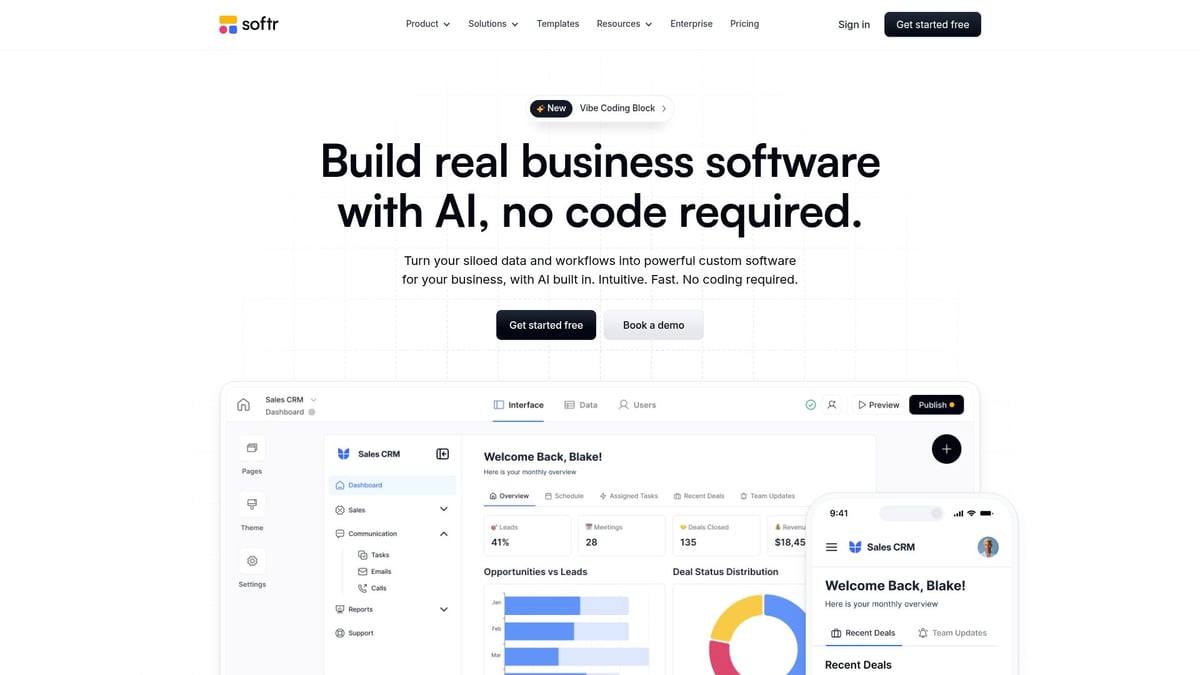
Softr enables instant web apps and portals from Airtable or Google Sheets, earning its place among the best no code apps examples 2026. Free tier available, with paid plans from $49/month.
Key features:
Fastest way to launch client portals, membership sites, directories
Secure authentication
No design skills needed
Softr serves consultants, agencies, and SMEs building client portals, resource directories, and internal tools.
Pros:
Rapid deployment
Secure and easy to use
Cons:
Customisation limited by templates
Relies on external data sources
For founders wanting to launch portals fast, Softr is a smart choice in the best no code apps examples 2026.
Thunkable
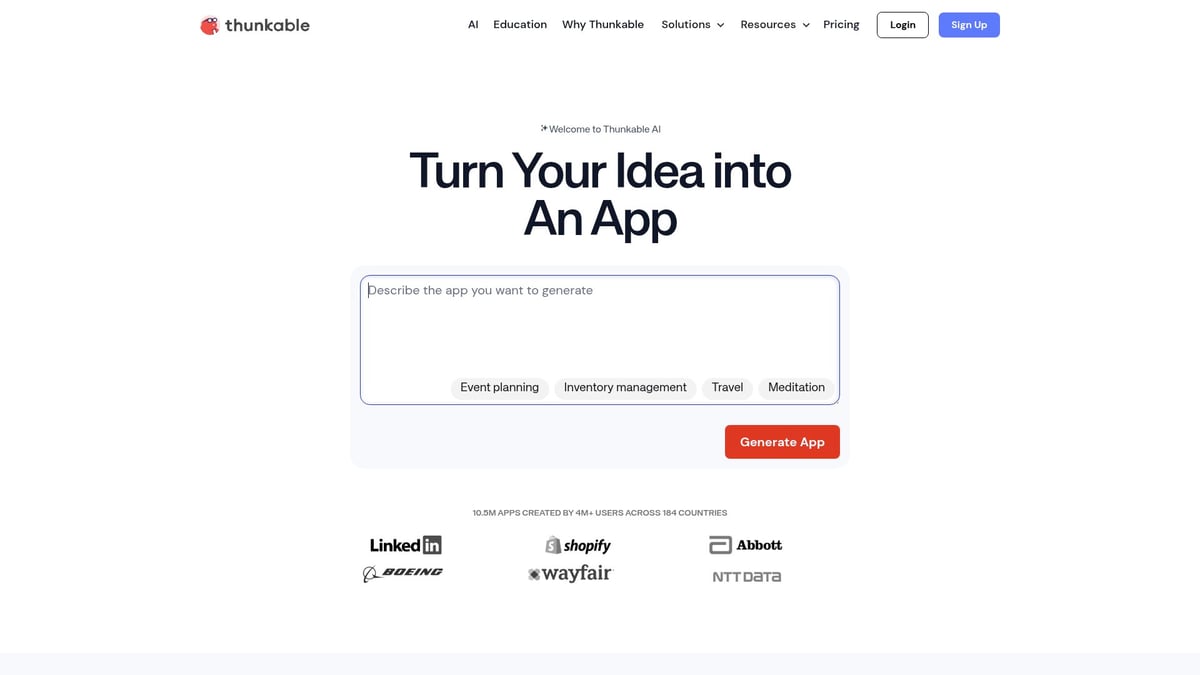
Thunkable rounds out the best no code apps examples 2026 with a focus on ease and education. Free tier, paid plans from $13/month.
Key features:
Drag-and-drop mobile app builder
Logic blocks and real device testing
API integration
Thunkable is great for educators, startups, and hobbyists creating prototypes, educational tools, and simple consumer apps.
Pros:
Beginner-friendly interface
Real-time device testing
Active community
Cons:
Not suited for complex or custom apps
Limited advanced integrations
Thunkable’s simplicity ensures anyone can join the best no code apps examples 2026 movement, regardless of technical skill.
How to Choose the Right No Code App for Your Startup
Choosing from the best no code apps examples 2026 can feel overwhelming for founders without a technical background. The right decision can save months of time and thousands of euros. To help you make a confident choice, here is a step-by-step approach designed for European entrepreneurs ready to invest in digital product development.
Identify your needs and skills
Start by defining your business goals and technical abilities. Are you building a simple prototype, a client portal, or a scalable SaaS? Make a list of must-have features, such as user authentication, payment processing, or mobile compatibility.
Consider your own experience. If you have limited tech skills, prioritise platforms with visual builders and strong onboarding. This will help you match the best no code apps examples 2026 to your actual workflow.
Compare platforms for scalability and integrations
Next, examine how each platform handles growth and third-party integrations. Can your chosen tool support more users, or connect with vital services like Stripe, Zapier, or Google Analytics?
Review platform documentation, integration libraries, and community forums. Comparing Webflow vs Bubble for startups can clarify which solution fits your MVP and long-term vision. This step ensures the best no code apps examples 2026 will not hold you back as your business scales.
Consider pricing and support
Evaluate the total cost of ownership, including monthly fees, per-user pricing, and add-on expenses. Some tools start cheap but increase costs quickly as you grow or add features.
Look for transparent pricing and responsive customer support. Community size and quality of learning resources are also important. The best no code apps examples 2026 should offer clear documentation and active support channels to help you move fast and avoid costly mistakes.
Prioritise security, compliance, and hosting
For European founders, GDPR compliance, data residency, and platform security are critical. Review each platform’s approach to data protection, secure authentication, and hosting location.
Read independent reviews and check if the provider has regular security audits. For a deeper dive, the Security considerations in no-code development guide covers key risks and best practices for founders. Only shortlist the best no code apps examples 2026 with robust security and privacy controls.
Step-by-step decision framework
Write down your core product requirements.
List your technical strengths and gaps.
Shortlist platforms matching your needs from the best no code apps examples 2026.
Compare features, integrations, and scalability.
Review pricing, support, and learning resources.
Check security, GDPR compliance, and hosting.
Test a free or demo version before committing.
This structured approach will help you choose a platform that fits your vision, resources, and market. The best no code apps examples 2026 are only valuable if they align with your business goals and protect your users’ data.
The Future of No Code: Trends to Watch in 2026
The landscape of no code is evolving at record speed. In 2026, the best no code apps examples 2026 are not only more powerful, but also smarter, safer, and more accessible than ever. For non-technical founders, understanding these trends is key to making informed investment decisions.
AI and automation drive smarter no code
AI is now a core feature in the best no code apps examples 2026. Automated workflows, natural language interfaces, and predictive analytics are standard. Founders can generate app logic, automate customer support, and personalise user experiences with minimal input. According to recent research, AI integration is making these platforms faster and more intuitive. For more on this shift, see this AI integration in no-code platforms.
Enterprise adoption and compliance reshape the market
Enterprises and regulated industries are rapidly adopting the best no code apps examples 2026. Robust security, GDPR compliance, and advanced data controls are now expected. This shift is opening new markets for founders in sectors like healthcare, finance, and education. Companies value the speed and flexibility, but demand enterprise-grade features. For deeper insights, explore Enterprise adoption of low-code tools.
Collaboration and MVP validation accelerate
Remote work is the norm, and the best no code apps examples 2026 reflect this. Enhanced collaboration tools, real-time editing, and cloud-based version control help distributed teams build together. No code is also the fastest route to MVP validation and early fundraising. Founders can test ideas, gather user feedback, and iterate quickly, all without a technical co-founder.
Hybrid development and future predictions
In 2026, the best no code apps examples 2026 seamlessly integrate with low-code and traditional programming. This hybrid approach allows startups to scale, customise, and connect with complex systems as they grow. The market is projected to double in size by 2028, with adoption rates surging among European founders. Expect more AI, deeper integrations, and even greater focus on privacy and compliance.
For founders, these trends mean more opportunity, but also higher expectations. Staying informed about the best no code apps examples 2026 is essential. Whether you are building your first MVP or scaling a proven product, understanding these advances ensures you stay ahead of the curve and make the right investment for your business.
After exploring these nine game changing no code apps, you can see just how accessible and powerful building digital products has become—even if you don’t have a technical background. Whether you’re refining an MVP, scaling a new service, or looking to streamline your business, the right tools can make all the difference. If you’re ready to take the next step, let’s chat about your unique vision and how we can bring it to life quickly and securely using leading platforms like Bubble io. Discuss your product idea
.avif)


Explore related articles

Ready to build your product?