
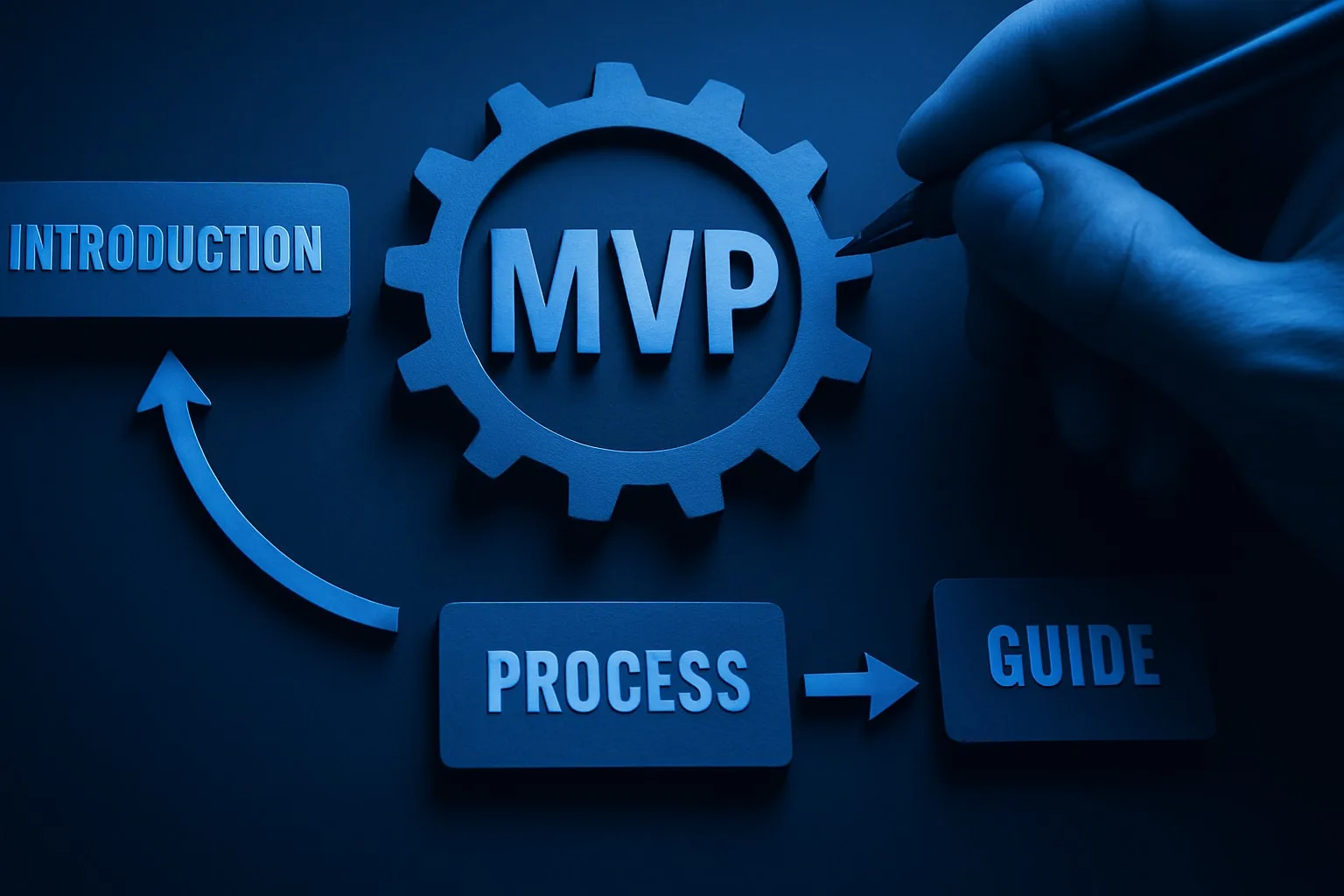
2026 is shaping up to be a turning point for MVPs in Europe's startup scene. With markets moving faster and competition growing, founders who master the mvp development process will be the ones who stand out, secure early users, and attract investors. Data shows that 42% of startups fail because there is no market need—building the right MVP can change that. This guide gives you a clear, step-by-step mvp development process, showing you what an MVP is, why it matters, the key phases, how to sidestep common mistakes, and practical steps for non-technical founders.
New to MVP development? Smart founders hire Bubble developers with proven track records to avoid costly beginner mistakes and launch market-ready products.
Ready to build smarter and faster? Let's start.
Understanding MVPs and Their Role in Startup Success
Launching a new product is always a risk, especially for non-technical founders. The mvp development process helps reduce uncertainty by allowing you to test your core idea quickly with real users. Instead of investing heavily upfront, you focus on what matters most: validating demand and learning fast. Successful startups like Dropbox, Airbnb, and Revolut all began with a Minimum Viable Product, proving that even simple versions can spark major growth. Understanding what makes an MVP effective is the first step in building a product that truly solves a problem.

What is an MVP?
A Minimum Viable Product (MVP) is the most basic version of a product that still solves the target user's core problem. By stripping away everything except the essential features, you can launch faster and gather real feedback. While it is tempting to add "nice-to-haves," the mvp development process demands discipline. For example, Dropbox started with a video demo showing only file syncing, Airbnb launched with a simple website to list available rooms, and Revolut's MVP offered basic currency exchange. Each focused on delivering clear value with minimal complexity.
Why Build an MVP?
Building an MVP is about reducing risk and validating your assumptions early. The mvp development process helps you avoid wasting resources by testing ideas before scaling up. You save time and money by focusing only on the features that matter most. Most importantly, gathering user feedback ensures you are building something people actually want. In fact, 42% of startups fail due to no market need, making early validation critical. By starting small, you protect your investment and set a solid foundation for growth.
MVPs in 2026: Trends and Expectations
The mvp development process in 2026 is shaped by rapid advances in technology. AI tools, low-code and no-code platforms, and fully remote teams make it easier to launch quickly and adapt to change. However, competition is intense, and users expect more from digital products. European startups must also navigate data privacy, GDPR, and local compliance. These trends mean founders need to move fast, stay compliant, and leverage new tools to keep their edge. Building a lean MVP is now more important than ever.
Who Should Build an MVP?
The mvp development process is ideal for:
If you want to validate your idea, attract early users, or demonstrate traction to investors, an MVP is your best starting point. By focusing on essentials, you can learn quickly, iterate, and build confidence in your product's direction.
The MVP Development Process: Step-by-Step Roadmap
Building a successful product starts with a clear, structured approach. The mvp development process is designed to reduce risk, speed up launch, and help founders learn fast. Each step builds on the last, guiding you from idea to early traction.

Step 1: Discovery & Market Research
Every mvp development process starts with understanding the problem you want to solve. Begin by defining your target audience and the pain points they face. Use surveys, interviews, and competitor analysis to validate that your idea meets a real need.
Tools like Google Trends can help you spot demand patterns. Typeform is excellent for gathering user insights, while competitor benchmarking highlights market gaps. Revolut, for example, used early user interviews and research to confirm their concept before writing a single line of code.
Break your findings into clear user personas and summarise the main problems to address. This early investment in research shapes the rest of your mvp development process and ensures you are not building in the dark.
Step 2: Defining Core Features
With research in hand, focus on the features that matter most. Use the MoSCoW method (Must have, Should have, Could have, Won't have) to prioritise. This helps avoid feature creep, which can drain resources and slow down your mvp development process.
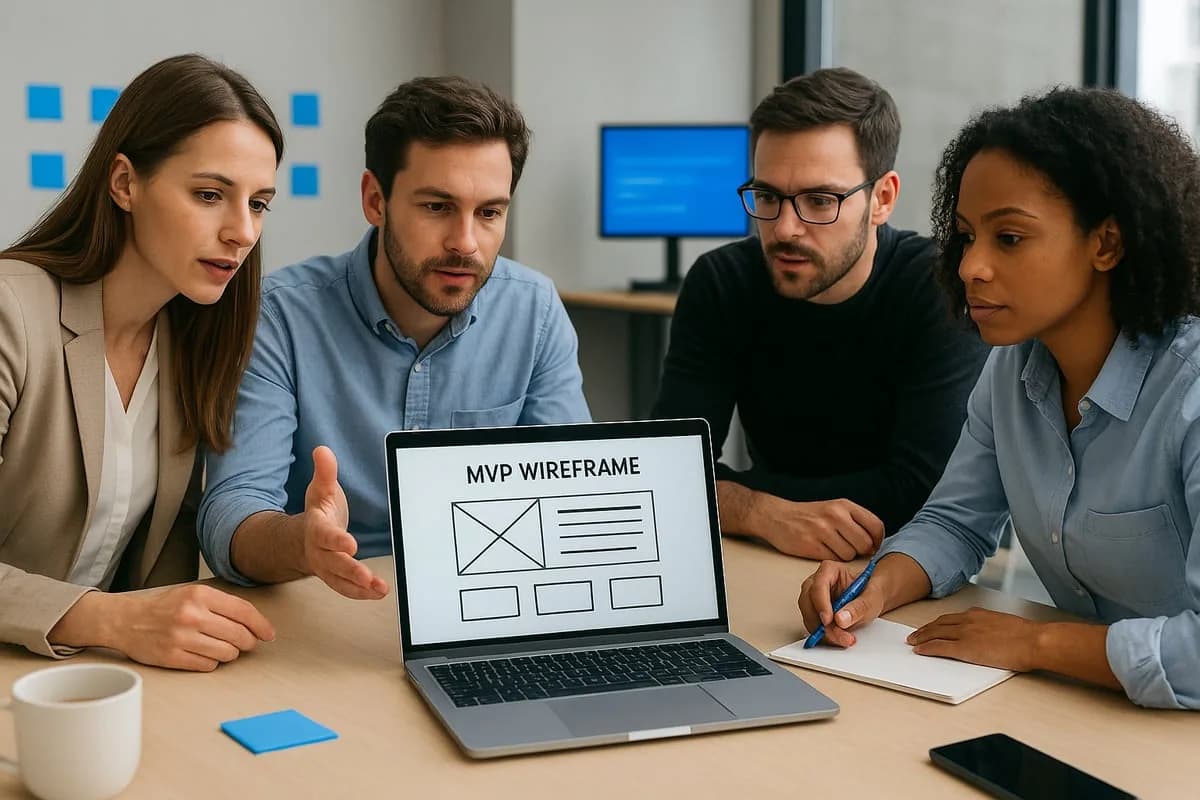
Start by creating user stories to map out key interactions. Simple wireframes, drawn on paper or with tools like Figma, clarify what your first version should do. Dropbox's MVP, for instance, focused solely on file syncing, leaving advanced features for later.
Stay disciplined. Every feature should tie back to your core value proposition. If in doubt, leave it out. This approach keeps your MVP lean and helps you launch faster.
Step 3: Choosing the Right Tech Stack
Choosing the right tools is critical in the mvp development process, especially if you lack technical skills. Decide between traditional coding and modern low-code or no-code platforms like Bubble.io, Xano, or Webflow. No-code options are popular for their speed and lower costs, letting non-technical founders launch without a full engineering team. If you need custom development, research web app development companies that specialize in MVP launches and startup projects.
Consider scalability, ongoing costs, and security. European startups must also factor in GDPR compliance and data hosting within the EU. Bubble.io is widely used for rapid MVP launches, offering flexibility and built-in compliance features.
If you want a detailed walkthrough, check out this Building an MVP with no-code guide. It explains how to select and use no-code tools step by step.
Step 4: Design and Prototyping
Design is more than looks. In the mvp development process, user-centric design ensures your solution is easy to use and solves real problems. Start with rapid prototyping tools like Figma to create clickable mockups. Share these with potential users to collect feedback before building anything.
Balance function with form. Your MVP should be simple, but not ugly or confusing. Airbnb's first version had a basic interface, but users could easily book a stay, proving the core idea worked.
Set up feedback loops to refine your design quickly. Early feedback saves time and money, helping you avoid costly redesigns later.
Step 5: Development & Iteration
Once your prototype is validated, move to development. Use agile sprints to build and release features in small, manageable steps. This approach is central to the mvp development process, allowing you to test and improve quickly.
Quality assurance is key. Combine manual testing with automated checks to catch bugs early. As users interact with your MVP, gather feedback and make fast adjustments. Monzo's team, for example, launched with a limited test group and iterated rapidly based on user input.
Keep releases small and focused. Continuous improvement is more effective than chasing perfection from day one.
Step 6: Launching and Measuring Success
The final stage of the mvp development process is launch. Prepare with a soft launch to a small group, using a pre-launch checklist to catch issues. Measure key metrics like user activation, retention, and churn to spot trends early.
Analytics tools such as Mixpanel and Google Analytics help you track behaviour and collect user feedback. Look for signs of product-market fit, such as repeat usage or strong engagement. Early metrics from successful startups often show clear patterns before scaling.
Use insights to refine your MVP and plan your next steps. Launch is not the end, but the beginning of ongoing learning and growth.
Choosing the Right MVP Development Partner
Selecting the right partner for your mvp development process can make or break your startup journey. The right fit brings not just technical skill, but also communication, reliability, and a track record of helping founders move fast from idea to launch.
Evaluating Agencies and Freelancers
When you start the mvp development process, one of the first decisions is whether to work with an agency or a freelancer. Agencies offer a broader skill set, established workflows, and more resources, which can speed up delivery and cover gaps if someone is unavailable.
Freelancers, on the other hand, may be more cost-effective and flexible for smaller projects. However, they can sometimes lack the capacity or support structure needed for larger MVPs. Assess portfolios, check client testimonials, and ensure all parties value transparency and clear communication from the start. If you want to see what a dedicated MVP development agency looks like in practice — team structure, delivery model, and what's included — that's a good place to benchmark your options.
Key Criteria: Expertise, Speed, and Compliance
Not every developer or agency is suited to the mvp development process, especially if you are a non-technical founder. Look for partners with proven experience in MVPs for startups, who can demonstrate quick turnaround times and agile methods.
Speed is crucial, but so is compliance. For European startups, GDPR and local data hosting are not optional. Ask about their experience handling compliance, and whether their processes are designed to keep your product and users secure.
Building MVPs with Bubble.io: Why Minimum Code is Trusted by Startup Founders
The mvp development process is changing fast, especially with tools like Bubble.io and Xano. Minimum Code blends these platforms for rapid, secure MVP delivery, supporting you from discovery to launch.
They offer full-service support, including user research, design, development, and post-launch advice. If you want to move quickly and lower risk, explore Rapid MVP development services to see how this approach enables founders to turn ideas into products, with real-world success stories across Europe.
Cost Considerations and Engagement Models
Understanding costs is key to a successful mvp development process. Pricing models vary—fixed price offers cost clarity, time-based billing suits evolving scopes, and value-based models align incentives with your goals.
Check what is included: design, development, user testing, and support. Decide if you need a one-off product launch package, or if ongoing support will help you adapt and grow. Always review contracts for transparency, milestones, and post-launch options.
Avoiding Common MVP Pitfalls in 2026
Launching a product in Europe's fast-moving tech scene requires more than a good idea. The mvp development process can quickly go off track if founders overlook common pitfalls. Let's break down what to watch out for and how to stay on course.
Overbuilding and Feature Creep
One major risk in the mvp development process is overbuilding. Adding features beyond your core value can drain resources and delay launch. Many founders get carried away by "what if" ideas, turning a simple app into a complex project that's hard to manage.
For example, some early fintech startups tried to launch with advanced analytics, only to find users wanted basic transactions first. To stay focused, use tools that help you prioritise features and avoid unnecessary extras. The MVP tools and resources guide can help you identify what's essential and keep your build on track.
Ignoring User Feedback
Ignoring feedback is another pitfall in the mvp development process. Without real user insights, it's easy to build something nobody needs. Continuous testing, interviews, and surveys are vital.
Take Revolut's early MVP. They released a simple version and gathered user feedback to refine their product. Regularly check for pain points and feature requests, and use analytics to see what's working. This approach lets you make informed adjustments and keeps your solution relevant.
Underestimating Compliance and Security
In Europe, compliance and security are critical during the mvp development process. Overlooking GDPR or failing to protect user data can erode trust and even result in fines.
Some startups have faced setbacks after launching without proper data safeguards. Make privacy a core feature from day one. Document your data flows, encrypt sensitive information, and be transparent with users. Building trust starts with meeting legal standards and showing you take security seriously.
Scaling Too Soon or Too Late
Timing is everything in the mvp development process. Scaling before you have product-market fit can stretch your team and budget thin. Wait too long, and competitors may leap ahead.
Look for clear signals like strong retention, growing engagement, and positive feedback. Use analytics to spot when your MVP is gaining traction. For a practical look at how to get your timing right, see the MVP development timelines in 2026 guide. Making data-driven decisions will help you scale at the right moment.
Tools and Resources for MVP Development in 2026
Building a successful MVP in 2026 demands the right tools at every stage. With more founders using the mvp development process to get products to market faster, tool selection can make or break your project. The right platforms save time, reduce costs, and help you validate ideas with real users.
Watch on YouTube: Tools and Resources for MVP Development in 2026
Low-Code and No-Code Platforms
Low-code and no-code platforms are transforming the mvp development process for non-technical founders. Bubble.io, Xano, Webflow, and Adalo let you build real apps with drag-and-drop interfaces and minimal coding. These tools speed up development, lower costs, and make iteration simple.
Pros:
Cons:
Many founders use these tools to launch quickly and test ideas. For example, Bubble.io is popular for MVPs with complex logic, while Webflow suits visually-rich apps. If you want to learn more about how AI is influencing these platforms, see the top AI trends transforming MVP development.
Design and Prototyping Tools
Design and prototyping are essential in the mvp development process. Figma, Sketch, and InVision let you create wireframes, mockups, and interactive prototypes fast. Figma stands out for collaboration, as multiple team members can give feedback in real time.
A simple prototype lets you test usability before investing in development. This step reduces the risk of building features users do not want. Using these tools, you can share clickable designs with potential users and gather feedback early. Interested in how design impacts project timelines? Read more about how long does it take to build an MVP.
User Testing and Analytics Tools
No mvp development process is complete without strong user testing and analytics. Tools like Hotjar, Mixpanel, and Google Analytics reveal how users interact with your MVP. These insights help you prioritise features and fix problems before scaling.
Set up dashboards to track activation, retention, and churn. Use heatmaps and session recordings to see where users struggle. This data-driven approach ensures you focus on what matters most, supporting better decisions for your MVP.
Community and Learning Resources
Community and learning resources are invaluable for founders navigating the mvp development process. Platforms like Indie Hackers, Product Hunt, and Bubble Forum connect you with peers, experts, and potential users.
Many founders benefit from online courses, step-by-step guides, and mentorship. European accelerator programmes also offer support, funding, and validation. Tapping into these resources accelerates learning, reduces mistakes, and helps you build a stronger MVP. As you look ahead to 2026 and think about launching your MVP, remember that the right process can make all the difference—especially with the rapid rise of AI and no code tools like Bubble io. Whether you're a non technical founder or building your first product, every step from discovery to launch matters for saving time, reducing risk, and hitting the market fast. If you're ready to take the next step or want tailored advice on how to turn your idea into a secure, scalable MVP, let's make it happen together. Book a free discovery call

Written by Tom
Founder and Lead Developer

Ready to start your project?
Book a free discovery call to learn how we can build your app in 4 weeks, or less.
Book a call