
Top Bubble Apps in France: 8 Production-Ready Examples
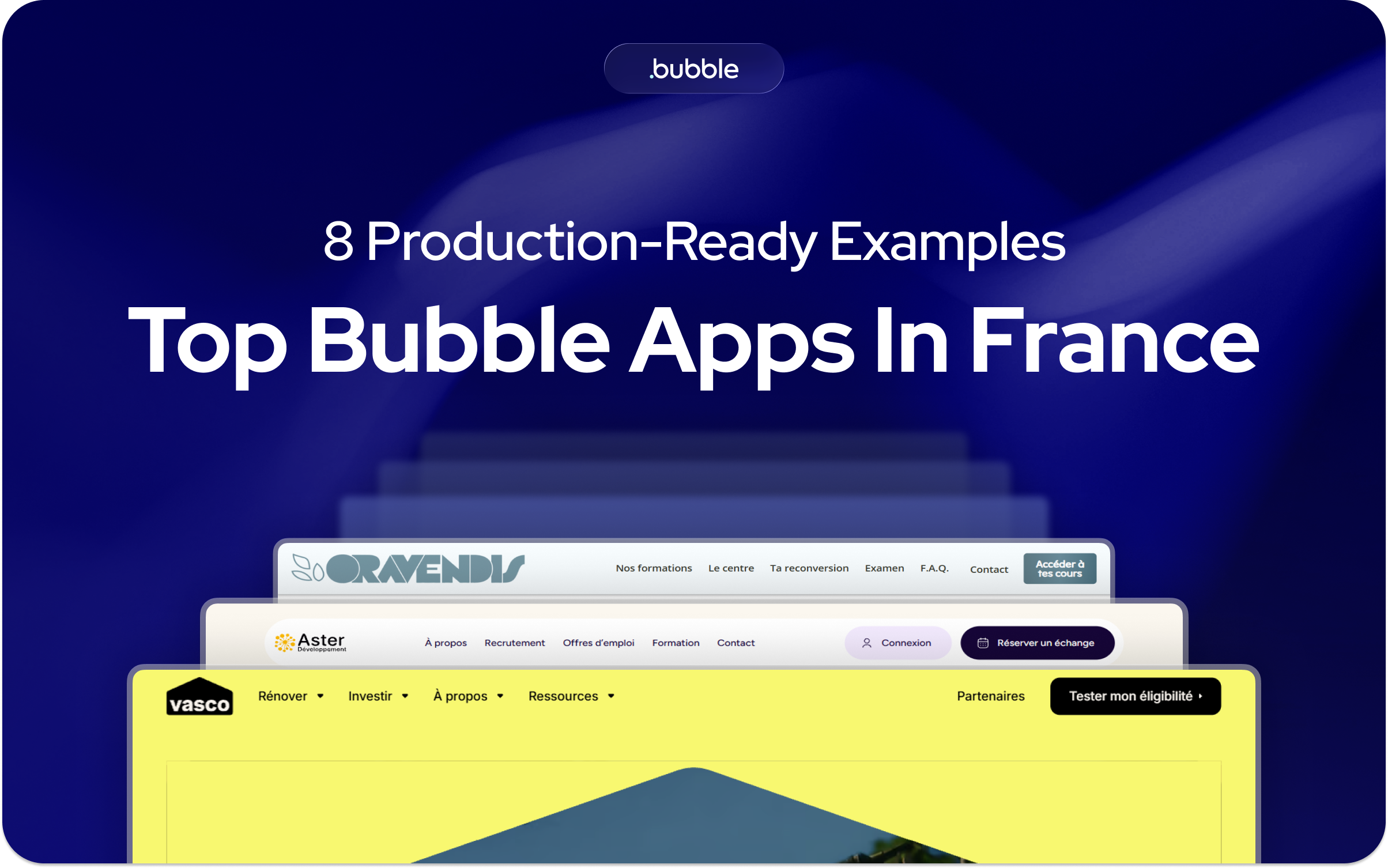

France's no-code ecosystem has matured significantly, with Bubble.io powering production applications across healthcare, education, public services, and e-commerce. These aren't prototypes or experimental projects. They're fully operational platforms serving thousands of users, processing payments, managing sensitive data, and meeting strict GDPR compliance requirements. The top bubble apps in France demonstrate how founders and organizations leverage visual programming to build scalable solutions without traditional development cycles.
This list examines eight production-ready applications that showcase Bubble's capabilities in the French market. Each platform addresses specific market needs while maintaining the performance, security, and user experience standards required for commercial success.
1. Cuure: Personalized Supplement Subscription Platform
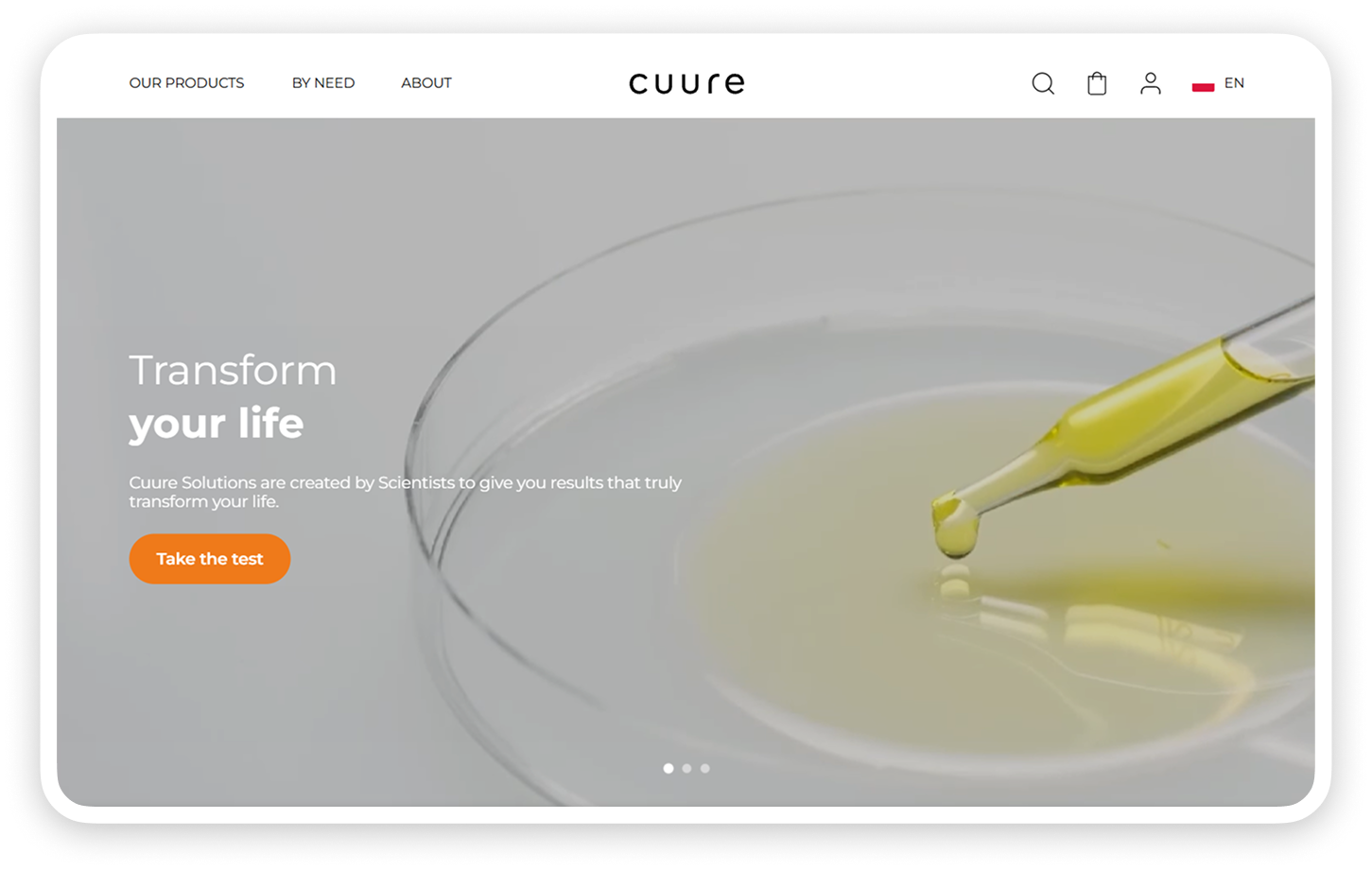
Cuure operates as a direct-to-consumer health platform that creates personalized vitamin and supplement regimens based on individual health assessments. Users complete a detailed questionnaire covering lifestyle, diet, health goals, and medical history. The platform's algorithm then generates custom daily supplement packs delivered monthly to subscribers.
The application serves health-conscious consumers seeking alternatives to generic multivitamins. Cuure's business model combines e-commerce functionality with health assessment logic, inventory management, and subscription billing. As a Bubble application, it demonstrates how no-code platforms can handle complex conditional logic for product recommendations while integrating with payment processors and fulfillment systems. The platform manages sensitive health data within GDPR frameworks, showcasing Bubble's viability for regulated industries.
Technical Implementation
Key features built in Bubble:
- Multi-step health assessment workflow
- Dynamic product recommendation engine
- Subscription management and recurring billing
- Customer portal for managing preferences
- Inventory synchronization with fulfillment partners
The platform exemplifies how building an MVP with no-code development can validate market fit before committing to custom development. Cuure's ability to iterate on its recommendation algorithm without lengthy development cycles demonstrates Bubble's strength for consumer-facing applications requiring frequent updates.
2. La Metro: Public Water Service Management System (Grenoble Alpes Métropole)
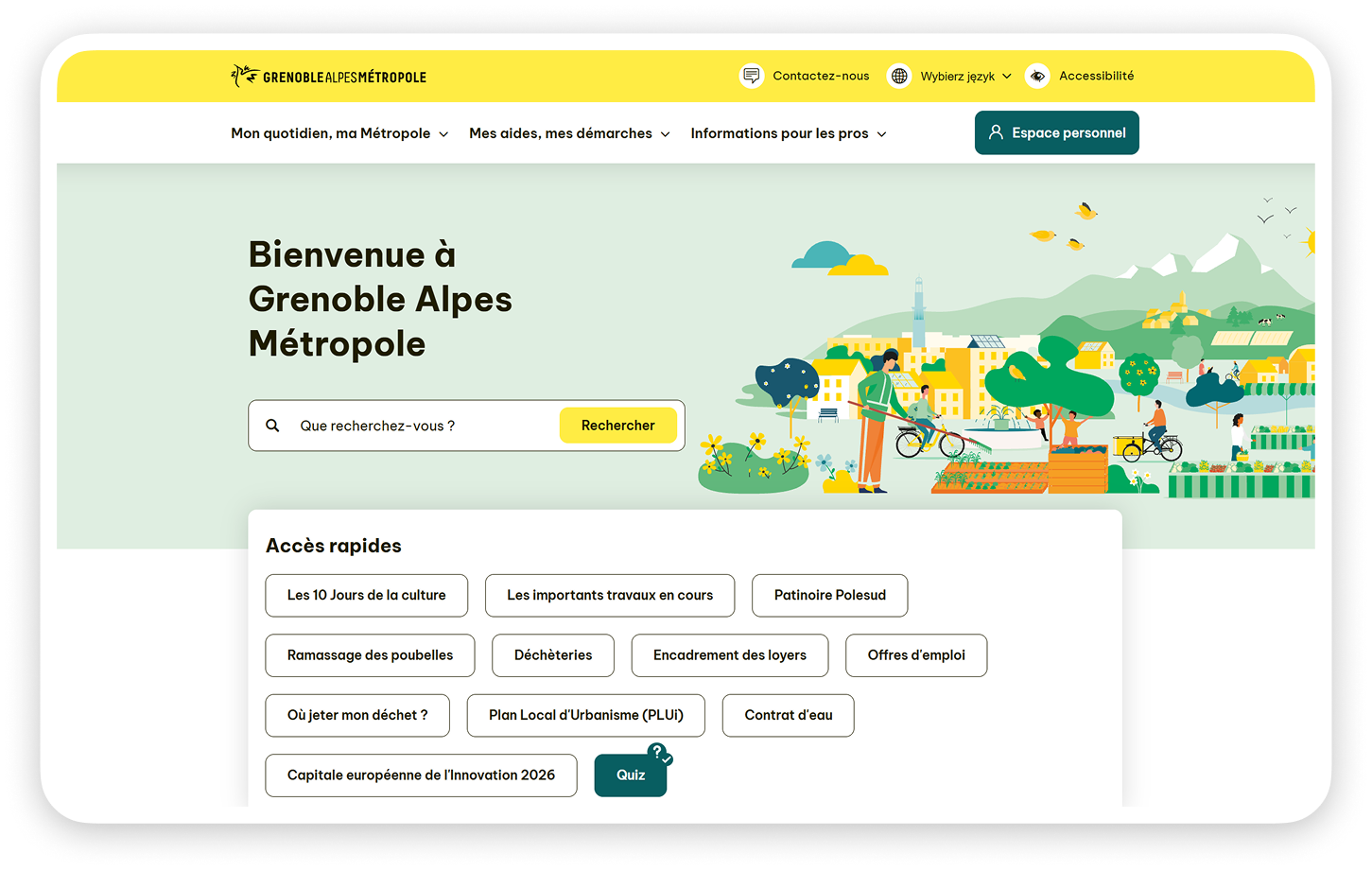
La Metro represents one of the most significant public sector implementations among the top bubble apps in France. This application serves Grenoble Alpes Métropole, managing public water services for approximately 500,000 residents across 49 municipalities. The platform handles service requests, infrastructure monitoring, and citizen communications for essential utilities.
The system serves both municipal employees managing operations and citizens requesting services or reporting issues. La Metro demonstrates Bubble's capability for government applications requiring reliability, data security, and accessibility standards. The Bubble showcase for La Metro highlights how the platform replaced legacy systems while maintaining service continuity for critical infrastructure.
Operational Scale
Why this matters for Bubble:
- Proves reliability for critical infrastructure
- Demonstrates scalability for large user bases
- Shows viability in heavily regulated environments
- Validates security for sensitive municipal data
Public sector adoption signals maturity for any technology platform. La Metro's implementation required meeting strict French public procurement standards, data protection regulations, and accessibility requirements that many commercial applications don't face.
3. Oravendis: AI-Powered E-Learning Platform

Oravendis operates as a professional training platform combining e-learning content with AI-supported certification programs. The platform offers CPF-eligible training (Compte Personnel de Formation), making it accessible through France's personal training account system. This integration with government training funding represents significant regulatory compliance work.
The application serves professionals seeking career development and companies managing employee training programs. Oravendis handles course delivery, progress tracking, AI-assisted learning support, and official certification. As one of the top bubble apps in France, it demonstrates how educational technology can meet formal accreditation requirements while maintaining the flexibility to update content and features rapidly.
Platform Components
The system integrates multiple functional areas within a single Bubble application:
- Course management: Content delivery, video hosting, document libraries
- Progress tracking: Completion monitoring, assessment scoring, certification pathways
- AI assistance: Personalized learning recommendations, question answering, adaptive content
- CPF integration: Compliance with government training fund requirements
- Business dashboard: Training manager tools for companies managing employee development
Educational platforms require sophisticated user permission systems, as content access varies by enrollment, payment status, and completion progress. Bubble's privacy rules and conditional visibility settings enable this complexity without custom backend development.
4. Reusses: Curated Second-Hand Fashion Marketplace

Reusses operates as a curated marketplace for pre-owned fashion, focusing on circular economy principles and sustainable consumption. Unlike general resale platforms, Reusses applies curation standards to listings, ensuring quality and authenticity for buyers while providing sellers with a premium marketplace environment.
The platform serves environmentally conscious consumers and fashion sellers looking for alternatives to fast fashion. Reusses combines marketplace functionality with community features, seller verification, and logistics coordination. The application demonstrates how Bubble supports multi-sided platforms where different user types (buyers, sellers, curators) interact with distinct interfaces and workflows.
Marketplace features:
- Seller onboarding and verification processes
- Product listing workflows with curation queues
- Search and filtering across multiple product attributes
- Transaction processing and payment escrow
- Shipping integration and tracking
- User ratings and review systems
Building a marketplace traditionally requires significant development resources. The top bubble apps in France like Reusses show how founders can launch sophisticated platforms without traditional development timelines, validating business models before scaling infrastructure.
5. Remoters: Housing Platform for Remote Workers
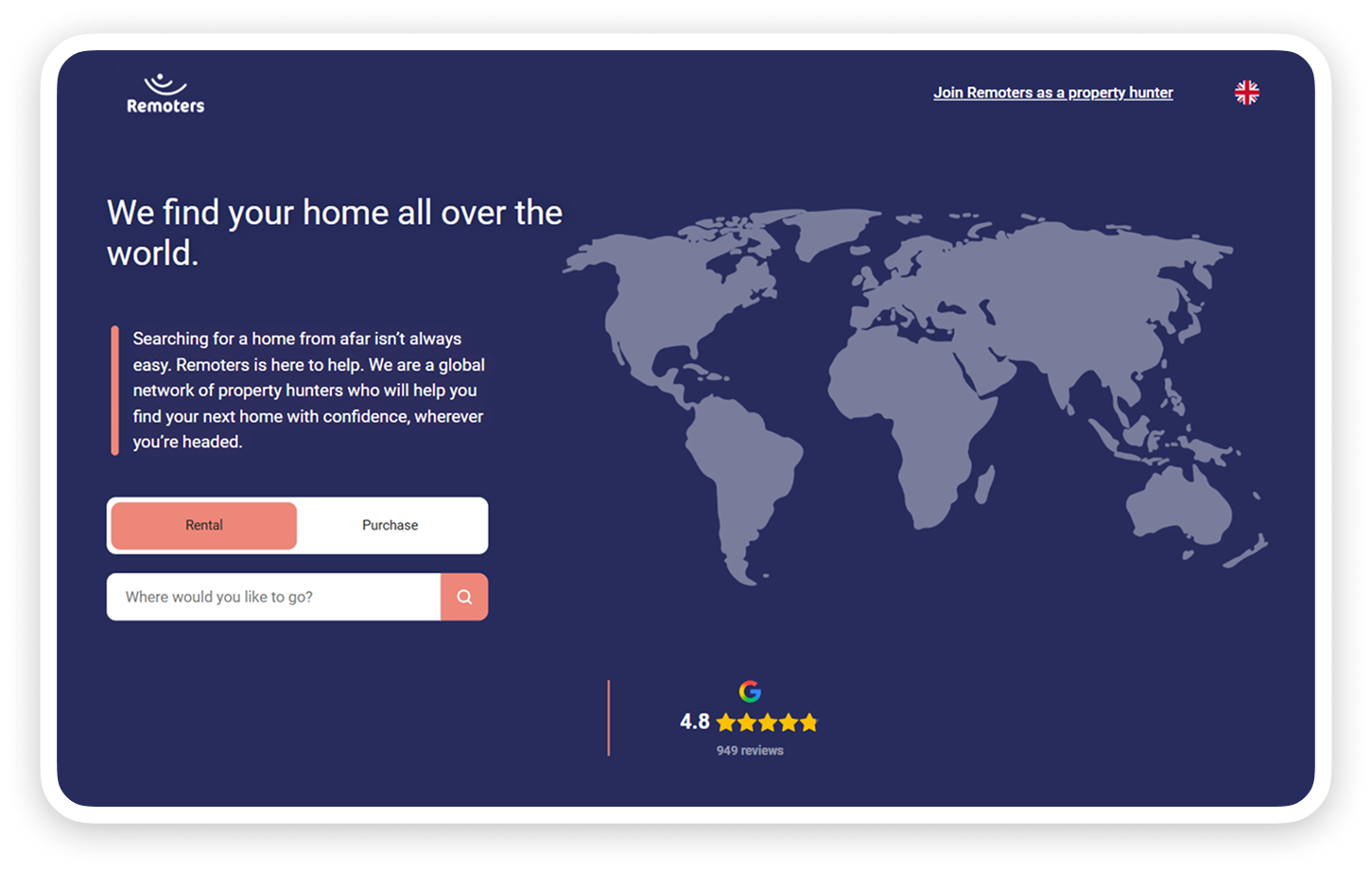
Remoters addresses the specific housing needs of remote workers by connecting them with local property hunters who understand regional markets. Rather than serving as a traditional rental listing platform, Remoters operates as a matching service between location-independent professionals and on-the-ground housing experts.
The application serves digital nomads, remote employees relocating to new regions, and property professionals offering local expertise. Remoters demonstrates how niche platforms can serve specific market segments with workflows tailored to their unique needs. The platform manages user matching, communication, service agreements, and payments between parties.
User Journey Comparison
The platform's value proposition centers on personalized service rather than inventory volume. This service-marketplace hybrid model works well in Bubble, where workflow customization and communication features support relationship-driven transactions. For founders exploring how to launch a SaaS MVP in 30 days, Remoters exemplifies validating a specific value proposition quickly.
6. Aster Développement: Recruitment Management Portal
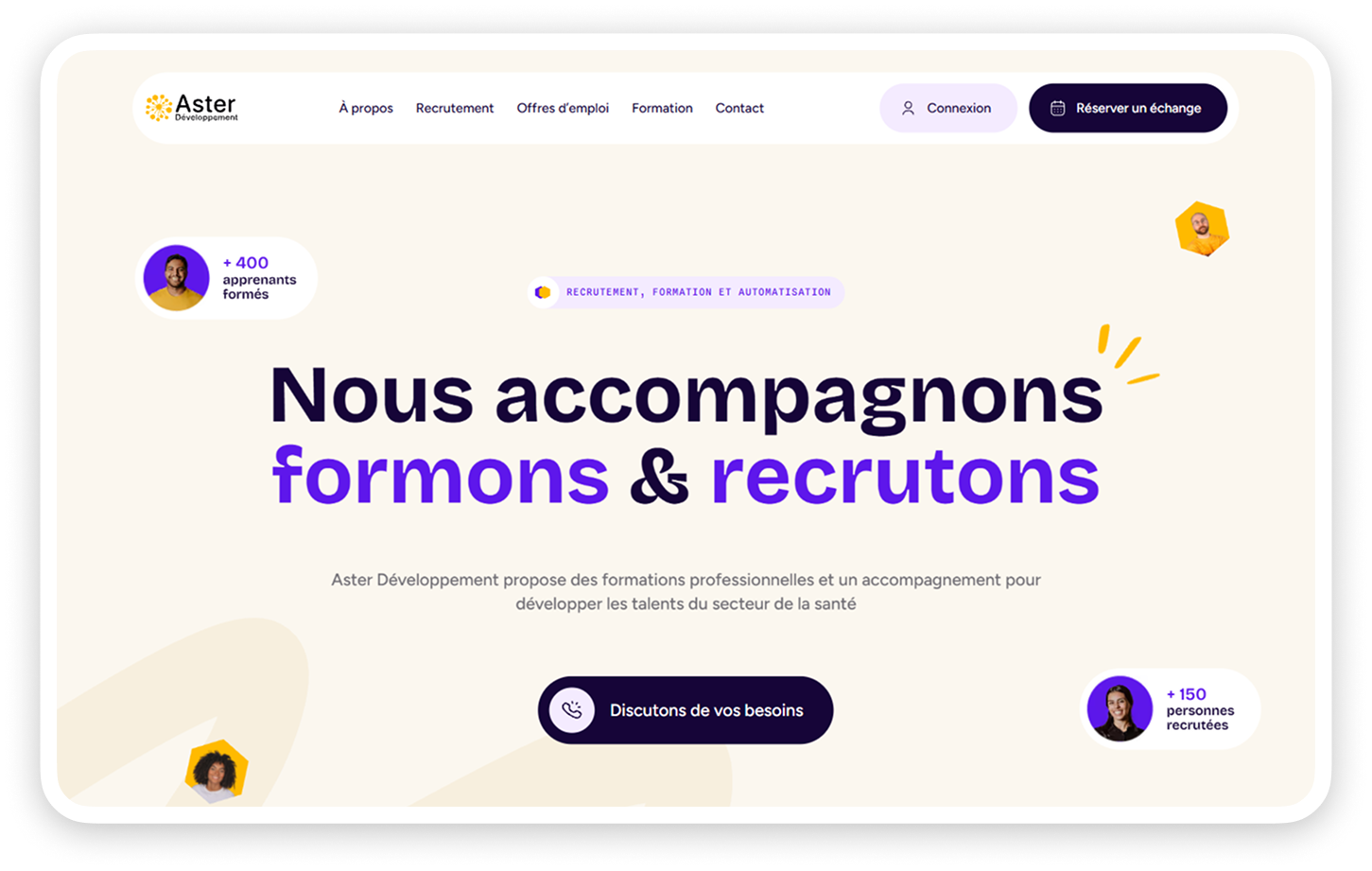
Aster Développement functions as an applicant tracking system and recruitment portal for managing hiring processes from job posting through candidate selection. The platform serves HR departments and recruitment agencies managing multiple open positions, candidate pipelines, and hiring stakeholders simultaneously.
The system handles job requisition creation, candidate application workflows, resume parsing, interview scheduling, and collaborative evaluation. As one of the top bubble apps in France in the HR technology space, Aster Développement demonstrates Bubble's capacity for internal business tools requiring complex data relationships and permission systems. Different users (recruiters, hiring managers, candidates, administrators) access appropriate interfaces based on their roles.
Core recruitment workflows:
- Job requisition approval and posting
- Candidate application and profile management
- Resume screening and qualification tracking
- Interview scheduling across multiple stakeholders
- Collaborative evaluation and feedback collection
- Offer management and onboarding handoff
HR systems typically require extensive customization to match organizational processes. Bubble's visual development approach enables rapid adaptation to specific hiring workflows, approval chains, and evaluation criteria that vary significantly between organizations.
7. Talia: Student Portal for Alternance Programs
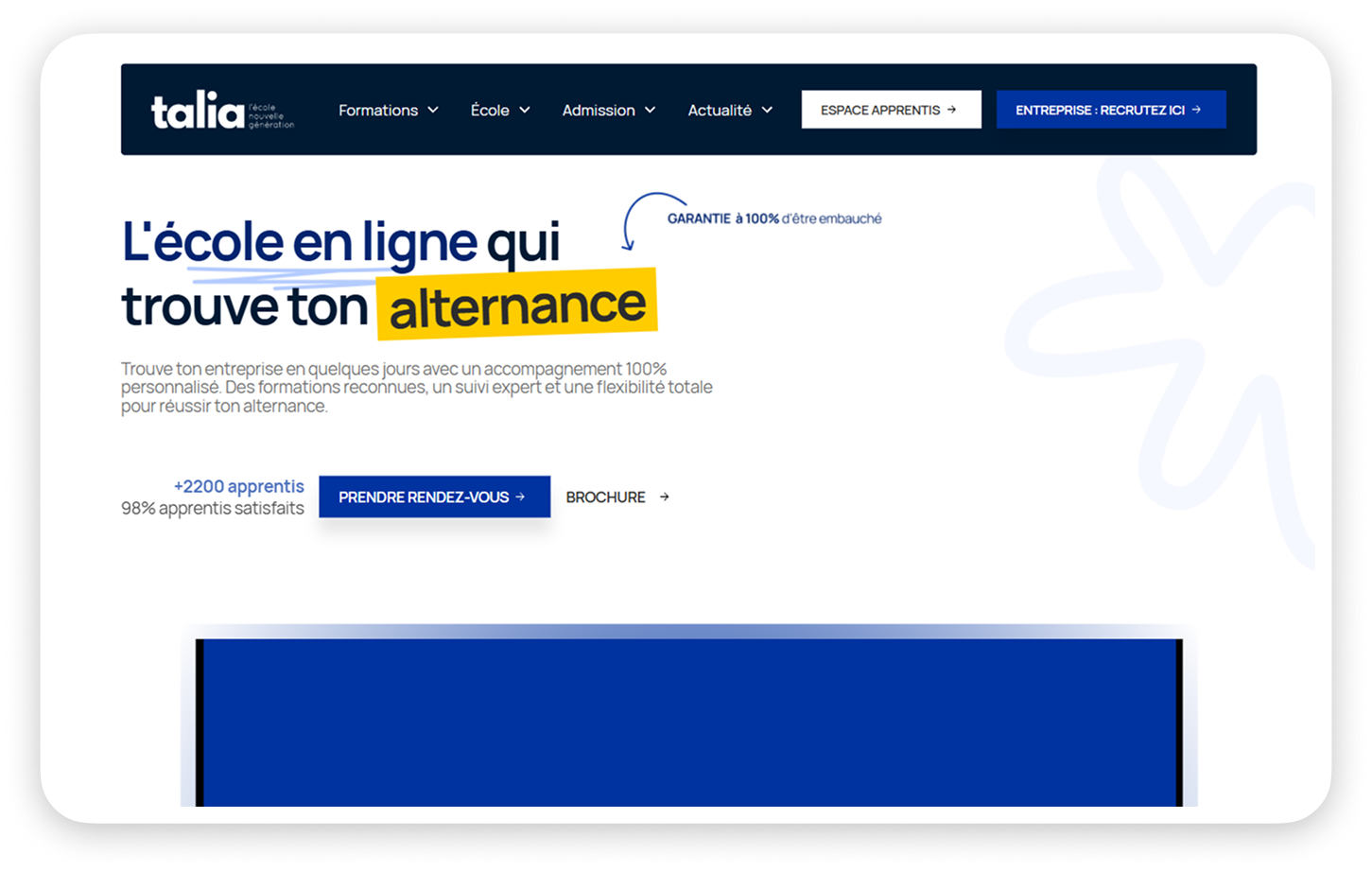
Talia operates as a comprehensive student portal for alternance (work-study) programs and online training. The platform manages the complete student lifecycle from enrollment through certification, coordinating between educational institutions, employers, and students in France's dual education system.
The application serves students in professional training programs, educational institutions delivering alternance courses, and companies hosting alternance positions. Talia coordinates complex multi-party relationships where students split time between academic instruction and workplace experience. The platform handles scheduling, academic content delivery, workplace coordination, and progress tracking across both environments.
Multi-Party Coordination
Students in alternance programs require tools that bridge educational and professional contexts:
- Academic side: Course access, assignment submission, academic progress, instructor communication
- Professional side: Workplace schedule coordination, skills assessment, employer feedback, professional mentor connection
- Administrative: Enrollment status, certification requirements, compliance documentation, institutional reporting
The platform demonstrates how Bubble handles applications requiring multiple distinct user experiences within a single system. Different stakeholders access relevant information and tools without crossing into areas outside their roles. This separation of concerns within a unified database illustrates Bubble's privacy rule system for complex applications.
8. Vasco Impact: Impact Investment Portal
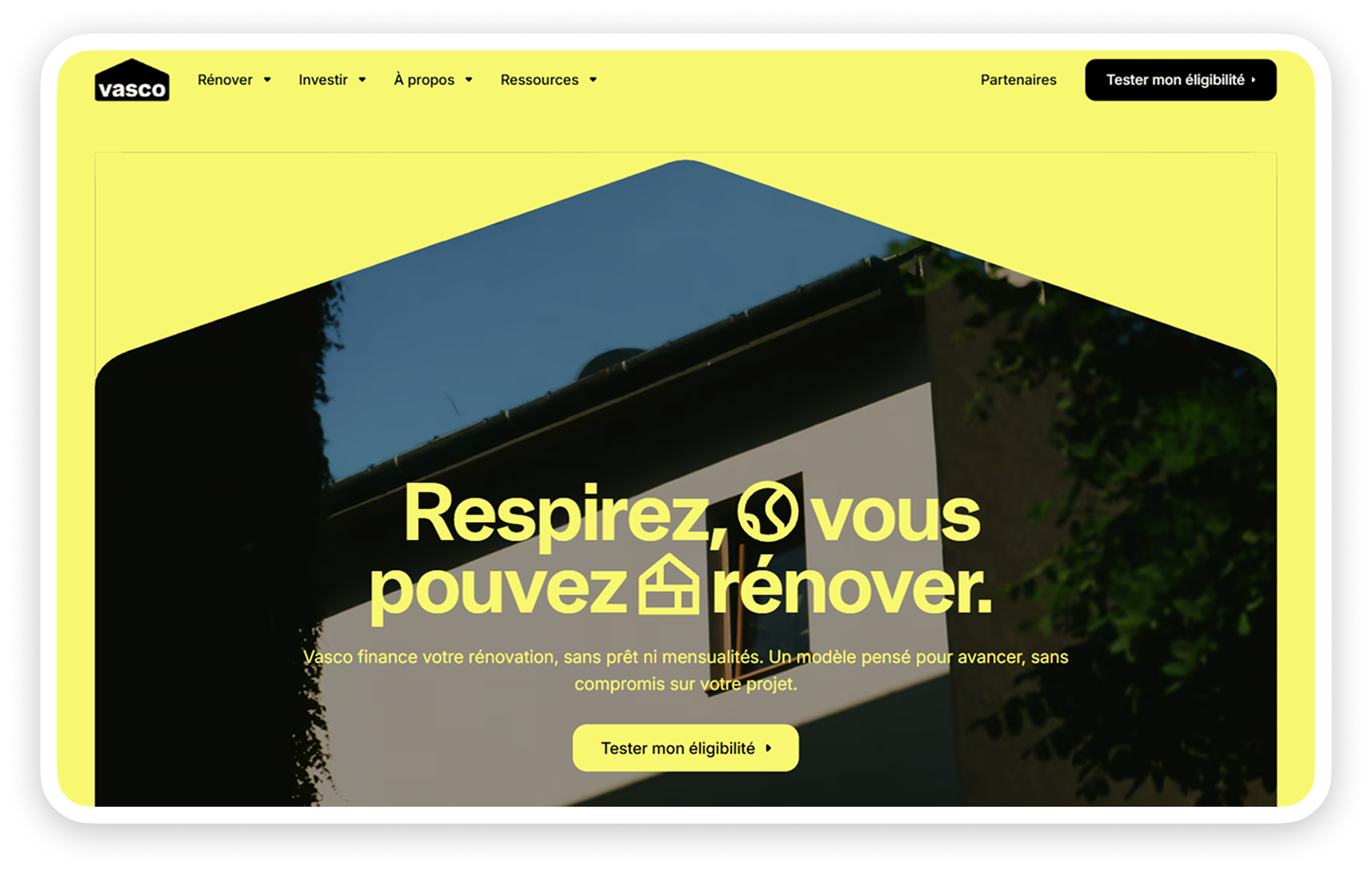
Vasco Impact serves as an investor portal for impact-driven real estate and renovation funds. The platform connects investors with projects focusing on environmental sustainability, social impact, and responsible development. Beyond basic investment management, Vasco Impact provides transparency into project progress, impact metrics, and portfolio performance.
The application serves impact investors seeking alternatives to traditional real estate investment while requiring visibility into both financial returns and measurable social or environmental outcomes. Fund managers use the platform to communicate project updates, share impact reporting, and manage investor relations. The platform exemplifies how the top bubble apps in France address specialized financial services niches with specific regulatory and reporting requirements.
Investment portal capabilities:
- Investor onboarding and accreditation verification
- Project listings with impact metrics and financial projections
- Investment processing and capital commitment tracking
- Portfolio dashboards showing holdings and performance
- Impact reporting with environmental and social metrics
- Document management for legal and compliance materials
- Investor communications and update distribution
Financial platforms require particular attention to data security, transaction accuracy, and regulatory compliance. Building such systems in Bubble demands careful architecture around data privacy, audit trails, and integration with financial service providers. The platform demonstrates how no-code development can address complex requirements when properly structured.
Impact Metrics Integration
For investors prioritizing environmental, social, and governance factors, Vasco Impact provides the specialized reporting and transparency that general investment platforms lack. This specialization showcases Bubble's flexibility for niche markets where custom features differentiate platforms from generic alternatives.
The Broader Ecosystem Context
These applications exist within a growing French no-code ecosystem. Bubble's global showcase highlights European applications, including several French platforms addressing local market needs. The Bubble Tour event in Paris brought together founders, developers, and agencies building on the platform, demonstrating community growth beyond individual applications.
The diversity of sectors represented among the top bubble apps in France reflects Bubble's versatility. From public services to healthcare, education to finance, these platforms address fundamentally different problems with different technical requirements. Yet all leverage the same visual development environment, demonstrating how no-code platforms have evolved beyond simple use cases.
Common Success Patterns
Several patterns emerge across successful French Bubble applications:
- Regulatory compliance: Multiple platforms operate in regulated sectors (healthcare, education, finance, public services)
- Data sensitivity: Applications handle personal health data, financial information, and government records
- Complex workflows: Multi-step processes involving multiple user types with different permissions
- Integration requirements: Connections to payment processors, government systems, and third-party services
- Scalability demands: User bases ranging from hundreds to hundreds of thousands
These characteristics contradict the outdated perception that no-code platforms suit only simple prototypes. Production applications serving significant user bases require the same performance, security, and reliability as traditionally developed software.
Development Agency Landscape
The success of these platforms connects to a maturing development ecosystem. Leading Bubble development agencies in France provide expertise in visual development, helping founders navigate technical decisions around database design, API integrations, and performance optimization.
Professional development services become crucial as applications scale beyond founder-built prototypes. While Bubble enables non-technical founders to build initial versions, production applications often benefit from structured development practices around testing, deployment workflows, and architectural planning. Agencies specializing in Bubble bring these disciplines to visual development projects.
When to consider professional development:
- Transitioning from prototype to production version
- Implementing complex integrations with external systems
- Optimizing performance for growing user bases
- Ensuring GDPR compliance and data protection
- Building mobile-responsive interfaces meeting modern UX standards
Understanding UI/UX best practices for web app design in 2026 becomes particularly important as applications mature. Initial MVPs may prioritize functionality over polish, but production applications serving paying customers require professional design standards.
Technical Considerations for French Market Applications
Building applications for the French market introduces specific technical requirements beyond standard Bubble development. GDPR compliance affects data storage, user consent, and privacy controls. Applications handling personal data require explicit consent mechanisms, data export capabilities, and deletion workflows.
Language considerations affect more than interface translation. Date formats, address structures, postal codes, and phone number validation differ from US standards. Applications serving French users should handle these localization details properly rather than forcing users into inappropriate formats.
French market technical requirements:
- GDPR-compliant data handling and consent
- French language interface and content
- Euro currency and European payment methods
- French address format and postal codes
- European date formatting (DD/MM/YYYY)
- Local tax calculation (TVA)
- Integration with French-specific systems (CPF, government databases)
Payment processing requires supporting European payment methods beyond credit cards. SEPA transfers, local bank integrations, and France-specific services like Paylib affect how applications handle transactions. For subscription businesses like Cuure, recurring billing must align with European banking standards.
Platform Selection and Alternatives
Founders considering the top bubble apps in France as models for their own projects often evaluate multiple no-code platforms. Comparing Webflow vs Bubble clarifies that Webflow excels for content-focused websites while Bubble suits application logic, user authentication, and database-driven functionality. The applications profiled here all require Bubble's database and workflow capabilities rather than Webflow's content management strengths.
Other comparisons like Bubble vs Lovable and Adalo vs Bubble help founders understand different platform strengths. Bubble's advantage lies in flexibility and scalability for complex applications, while alternatives may offer simpler interfaces for more constrained use cases.
For founders exploring Bubble alternatives, the French applications demonstrate what's achievable with sufficient platform maturity. The diversity of sectors and complexity levels shows Bubble handling everything from marketplaces to government systems to financial platforms.
Cost and Timeline Considerations
Understanding how long it takes to build an MVP helps set realistic expectations for Bubble projects. The platforms profiled here likely started as focused MVPs before evolving into comprehensive systems. Cuure probably began with basic assessment and subscription features before adding advanced personalization. La Metro likely rolled out core functionality before expanding to all 49 municipalities.
Cost considerations vary significantly based on scope. Understanding SaaS application development costs and mobile app development costs provides context for budget planning. Bubble development typically costs less than traditional development for equivalent functionality, but complex applications still require significant investment in design, planning, and development time.
These timelines assume professional development with clear requirements. Founder-led projects often take longer but offer deeper product understanding. The top bubble apps in France demonstrate both approaches: some built by technical founders, others by professional agencies.
Mobile Considerations and Responsive Design
Several profiled applications serve mobile users, requiring responsive design that adapts to different screen sizes. Bubble applications are web-based but can be wrapped in native mobile containers or accessed through mobile browsers. Remoters and Talia likely prioritize mobile experiences given their user demographics.
Mobile performance requires attention to page load times, image optimization, and workflow efficiency. Desktop-first designs often translate poorly to mobile without intentional responsive design work. Applications serving significant mobile traffic should prioritize mobile experience during initial development rather than retrofitting responsive design later.
Mobile-first considerations:
- Touch-friendly interface elements and spacing
- Simplified navigation for smaller screens
- Optimized images and asset loading
- Reduced data transfer for mobile networks
- Offline functionality where appropriate
- Progressive web app capabilities
The choice between responsive web applications and native mobile apps depends on required functionality. For platforms like La Metro serving citizens reporting issues, mobile-responsive web applications provide broad accessibility without app store distribution. Subscription platforms like Cuure might eventually consider native mobile apps for deeper engagement.
Integration Complexity and External Systems
Production Bubble applications typically integrate with multiple external services. Payment processing, email delivery, SMS notifications, analytics, and specialized services all require API connections or plugin integrations. The top bubble apps in France demonstrate varying integration complexity based on their domains.
Oravendis likely integrates with CPF government systems for training fund verification. Vasco Impact connects with financial service providers for investment processing. Cuure coordinates with fulfillment services and shipping carriers. Each integration adds technical complexity requiring API knowledge and debugging skills.
Common integration categories:
- Payment processing (Stripe, PayPal, European providers)
- Communication (email services, SMS, notifications)
- Authentication (social login, SSO, two-factor)
- Analytics and tracking (Google Analytics, Mixpanel)
- Business tools (CRM, email marketing, support)
- Specialized services (shipping, verification, mapping)
Successful integrations require understanding API documentation, authentication methods, data formats, and error handling. While Bubble's API Connector simplifies technical implementation, designing reliable integrations still requires systematic testing and monitoring.
Data Architecture and Scalability
Database design fundamentally affects application performance and maintainability. The profiled applications handle varying data complexity. La Metro manages infrastructure data across 49 municipalities. Talia coordinates academic and professional data for multiple institutions. Reusses tracks product inventory, transactions, and user interactions.
Proper data architecture becomes crucial as applications scale. Initial database designs optimized for rapid prototyping often require refactoring as data volumes grow. Search performance, relationship complexity, and privacy rule efficiency all affect user experience at scale.
Scalability considerations:
- Database structure and relationships
- Search and filtering performance
- Privacy rule complexity
- Workflow efficiency
- Third-party API call volume
- File storage and media handling
Applications serving thousands of users require attention to performance optimization. Database queries should use appropriate constraints and indexes. Workflows should process efficiently without unnecessary steps. Privacy rules should protect data without creating performance bottlenecks through excessive complexity.
GDPR Compliance and Data Protection
French applications must comply with GDPR requirements affecting data collection, storage, processing, and deletion. Users have rights to access their data, request corrections, and demand deletion. Applications must implement these capabilities functionally, not just document them in privacy policies.
Bubble provides tools for GDPR compliance, but implementing them requires intentional design. User data export workflows, deletion processes, and consent tracking all require explicit development. The top bubble apps in France operating in regulated sectors demonstrate these capabilities working in production.
GDPR implementation requirements:
- Explicit consent collection and tracking
- Purpose limitation for data processing
- User data export functionality
- Complete data deletion workflows
- Data breach notification capabilities
- Privacy by design principles
- Data processing agreements with services
Applications handling sensitive data (health information for Cuure, student records for Talia, financial data for Vasco Impact) face additional compliance requirements beyond basic GDPR. These sectors have specific regulations affecting data security, access controls, and retention policies.
Conclusion
The top bubble apps in France demonstrate that no-code development has evolved beyond simple prototypes into production-ready platforms serving real market needs across diverse sectors. From public services managing critical infrastructure to healthcare platforms handling sensitive data, these applications prove Bubble's capability for serious business applications. If you're ready to build a scalable, GDPR-compliant application that ships fast while focusing on core features that matter, Minimum Code specializes in Bubble.io development for founders and small businesses across the complete process from discovery through launch.
.avif)


Explore related articles
Ready to build your product?