
Our expert fullstack developers build web apps with Next.js, React, and Supabase
For European founders shipping software their business depends on — fast, scalable, and built to last.


 30+ reviews
Fullstack technologies we use

Next.js
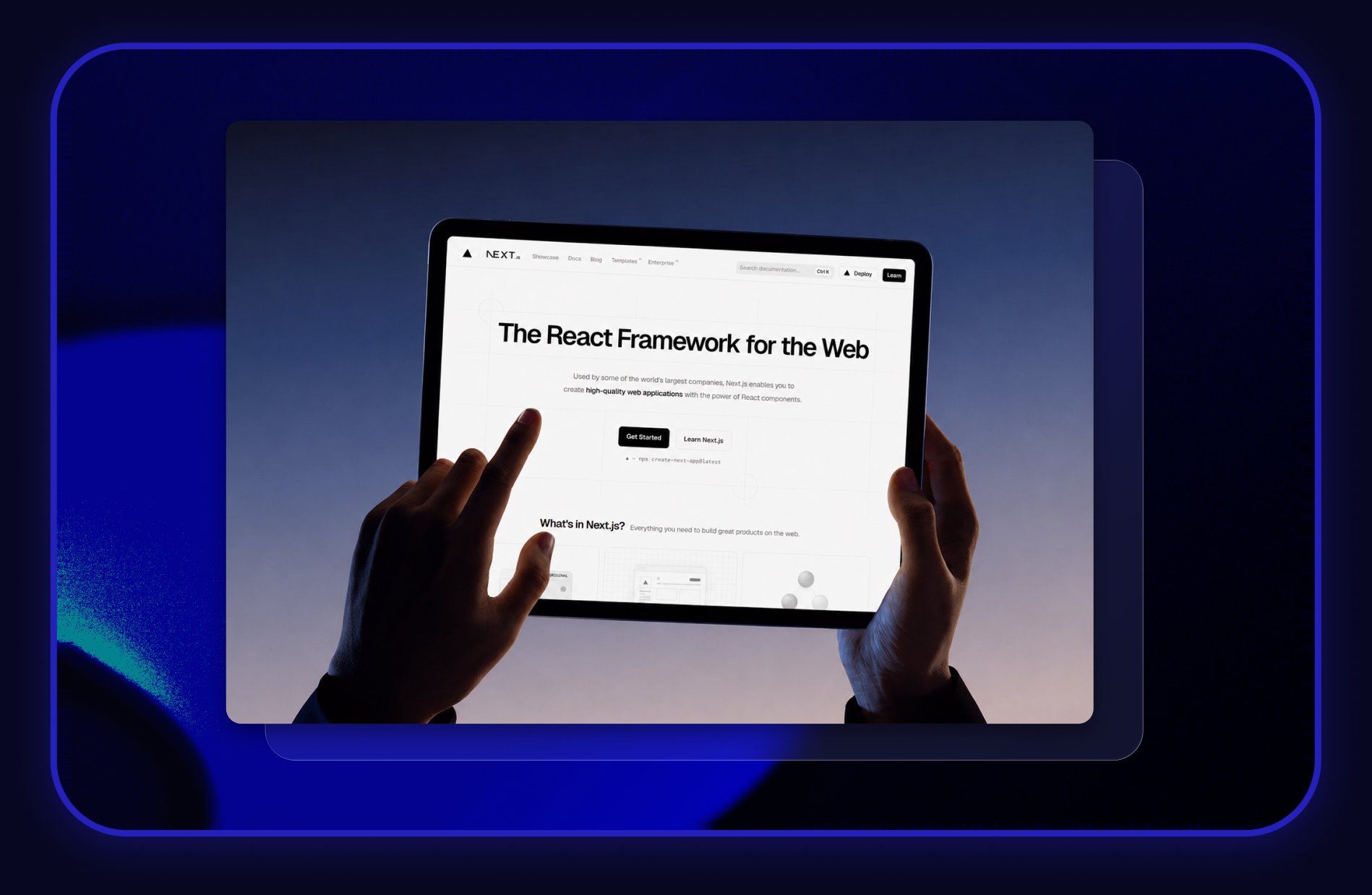
We build fast, SEO-ready web apps with Next.js — server rendering, routing, and performance out of the box.

React
We craft dynamic, component-driven interfaces with React — reusable, scalable, and smooth to interact with.

Supabase
We handle your backend with Supabase — instant database, auth, and real-time features without the complexity.

Vercel
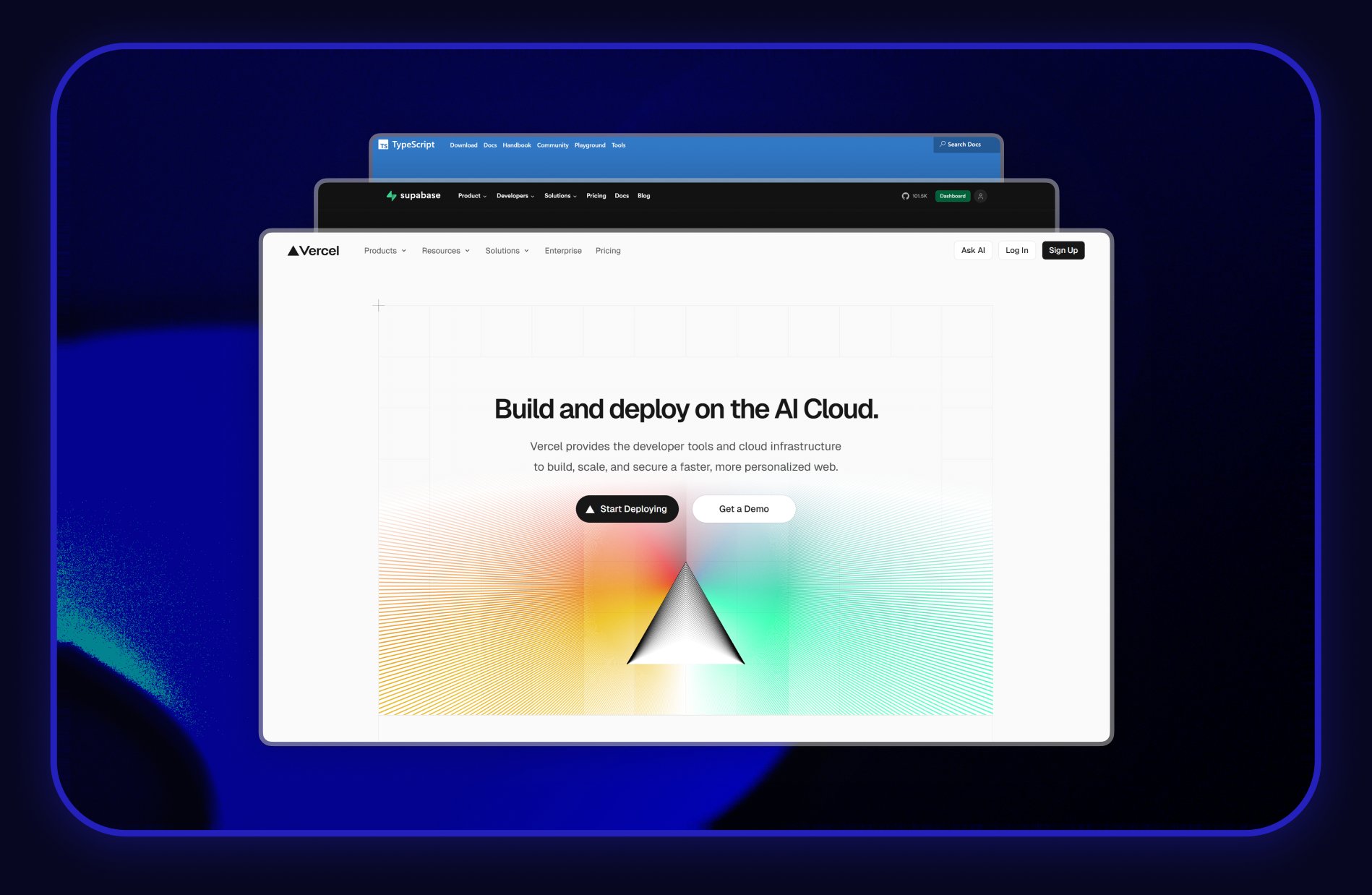
We deploy and scale your product on Vercel — global edge network, instant previews, and zero downtime.

Node.js
We power your server-side logic with Node.js — fast, event-driven, and built to handle real production loads.

JavaScript
We bring your product to life with JavaScript — the language behind every interaction on the modern web.

TypeScript
We write safer, more maintainable code with TypeScript — catching errors early and keeping large codebases clean.
Who's it for

Founders building a new product
You have a defined product to ship and a business that's ready to back it. We turn that into working software in weeks, not months.

Founders with a live product
Your app is in the market and working. But adding features is getting harder, your team is stretched, or your previous developer disappeared. We pick up where they left off.

Founders who outgrew their stack
What got you here won't get you to the next stage. We migrate web apps off old stacks and aging codebases — with your live business protected throughout.

Founders past the prototype stage
You used AI tools to build something real. Now it's time for production-grade code on a modern fullstack — and senior engineering to support it.
What we offer
We build modern fullstack web apps end-to-end — from the database in Supabase, through the business logic in Node.js, to the user interfaces in React, deployed on Vercel. Every layer engineered to work together, not just glued.
Our team's experience with Next.js, TypeScript, and Node.js means your product is fast, maintainable, and ready to scale — whether you're building new, rebuilding what's there, or migrating off a stack that no longer fits.
What you'll get
Performance out of the box
Next.js delivers fast page loads with server rendering and static generation — SEO-ready from day one, on any device.

Scalable architecture
Built on Supabase and Vercel — your app scales automatically as your user base grows, with no infrastructure headaches.

Type-safe codebase
We default to TypeScript across the stack — so the code stays clean, bugs get caught early, and your codebase stays maintainable as it grows.

Flexible integrations
Seamless connections to third-party services — Stripe, HubSpot, OpenAI, or anything your product needs via custom Node.js APIs.
Why do we use this stack?
Next.js, React, Supabase, and Vercel are modern, proven, and used by some of the most demanding products on the web today.
Each tool earned its spot for the same reasons: performance, reliability, maintainability, and the ability to ship fast without compromising the code we hand over.
Our Fullstack development process
Architecture & planning
We map out your database schema, API structure, and frontend components — making sure the build is scalable and the logic is solid before a line of code is written.
Sprint based development
We develop features in rapid weekly sprints with Next.js and React, giving you a live staging environment to review progress and provide feedback.
Quality assurance & testing
Every API, workflow, and UI component is tested for performance and reliability — TypeScript catches errors early, and we catch the rest.
Launch & support
We manage deployment on Vercel and provide ongoing support to keep your platform running smoothly post-launch.
You have questions?
We have answers
What's the difference between Fullstack and No-Code development?
Fullstack gives you complete flexibility — custom logic, no platform limits, and a codebase you fully own. No-Code is faster to start but trades flexibility for speed. We help you pick the right approach for your product and budget.
Can you work with an existing Next.js or React codebase?
Yes. We audit what's there, identify bottlenecks, and extend or rebuild the parts that need it — without starting from scratch unnecessarily.
Is my data secure?
Yes. Supabase gives you row-level security and GDPR compliant EU hosting. We configure data handling properly from day one.


Do I own the code and the app?
Yes. Standard TypeScript, React, and PostgreSQL code, running on infrastructure in your accounts. No lock-in.
Why should I hire a fullstack agency instead of a freelancer?
A team-based approach gives you coverage across frontend, backend, and infrastructure — with consistent standards for security, architecture, and performance. No single points of failure.
What kind of apps can you build with this stack?
SaaS platforms, internal tools, marketplaces, B2B dashboards, AI-powered products — if it runs on the web, Next.js, React, and Supabase can handle it.
How long does it take to launch?
It depends on scope, but in weeks — not months. Prototypes usually take a week, first versions around a month. Larger projects or migrations with live users take longer. We'll give you a clear estimate before we start.
Let’s get in touch
Ready to launch your web app with Next.js?
Whether you're starting from zero or migrating from an existing system, we'll scope it, build it, and launch it. Let's talk about what you want to build.