

In product development, terms like PoC, MVP, Prototype, and Mockup are often thrown around. While they might seem interchangeable, each serves a distinct purpose in bringing your idea to life. Specifically, these stages help turn a business idea into a real product. Whether you’re building a new app, testing a concept, or visualizing your solution, understanding these terms can save you time, money, and effort.
At Minimum Code, we specialize in helping startups and businesses launch their products efficiently. This guide breaks down the differences between these stages and explains when and why to use each one.
Why understanding these stages matters
Before investing in development, you need clarity. Each stage: PoC (Proof of Concept), MVP (Minimum Viable Product), Prototype, and Mockup, has its own role in validating ideas, designing features, and delivering value. The choice of which stage to pursue depends on the project scope and specific development goals. Misunderstanding these concepts can lead to wasted resources or missed opportunities.
Here’s a quick overview:
- PoC (Proof of Concept): Validates feasibility.
- Prototype: Demonstrates functionality and design.
- Mockup: Focuses on visuals and user experience.
- MVP (Minimum Viable Product): A functional product for market validation.

Designed by Freepik
What is a Proof of Concept (PoC)?
A PoC answers one question: “Is this idea technically possible?” It demonstrates the core concept to validate the fundamental problem or idea before further investment.
➤ Purpose: Test whether a concept can work.
➤ Features: Minimal functionality, purely focused on testing the idea's technical feasibility.
➤ When to Use:
- Exploring new technologies.
- Pitching to stakeholders or investors.
- In the early stages of product development to validate ideas before significant investment.
- To generate early investor interest by showcasing feasibility and unique features.
Example: A startup wants to use AI to summarize lengthy documents. A PoC might involve testing AI algorithms on a small sample to prove it’s possible.
What is a Prototype?
A Prototype brings ideas to life by simulating functionality.
➤ Purpose: Showcase how an app or product will work.
➤ Features: Interactive prototypes allow users to interact with the design and test key features before development, helping validate functionality and gather feedback.
➤ When to Use:
- Testing user interactions.
- Demonstrating workflows.
Example: You’re creating a scheduling app. A Prototype might demonstrate key features such as adding events or receiving notifications, allowing users to interact with these elements without connecting to a backend.
What is a Mockup?
Mockups focus on design and user experience, showing what the product will look like.
➤ Purpose: Visualize the final design.
➤ Features: Static, high-fidelity images.
➤ When to Use:
- Refining design elements.
- Gaining client or stakeholder approval.
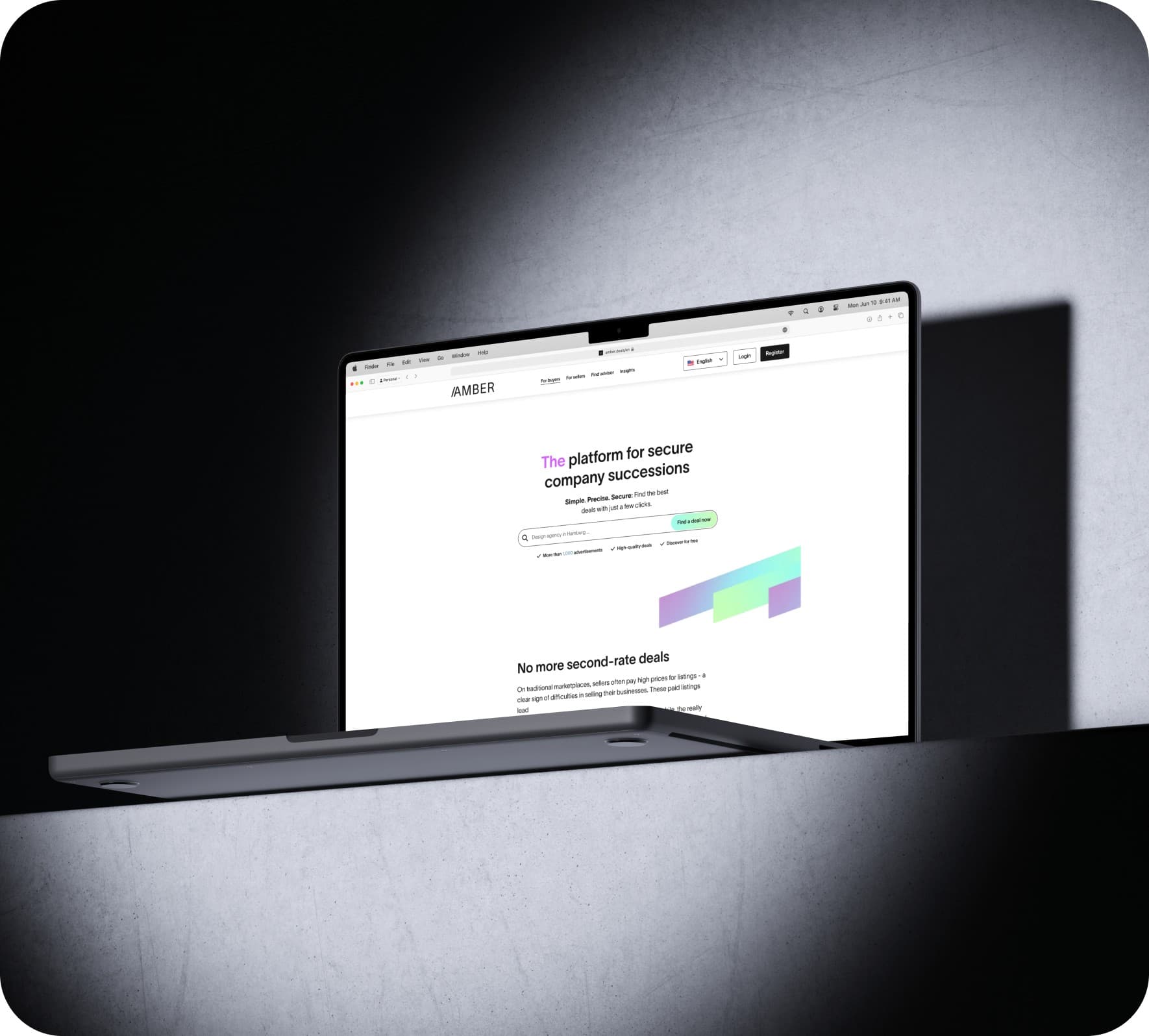
Example: A mockup of an e-commerce app displays the homepage layout, color schemes, and button placements.
What is a Minimum Viable Product (MVP)?
An MVP is a working product with core features, built for early adopters. Building an MVP helps save resources by focusing only on essential features and minimizing unnecessary development.
➤ Purpose: Test market demand and attract early users to gather their feedback.
➤ Features: Fully functional but stripped down to the essentials, with additional features intentionally left out and added later based on user feedback.
➤ When to Use:
- Launching quickly to gather feedback.
- Testing monetization strategies.
- Using an MVP to attract investors by demonstrating market traction and user interest.
Example: A meal-planning app MVP might include basic recipe recommendations and shopping lists for target users to validate the product's appeal but skip advanced analytics.
Selecting the right tech stack is also crucial when building an MVP to ensure scalability and efficient development.
Key differences between PoC, Prototype, Mockup, and MVP

Market Testing
Market testing is a pivotal stage in the product development process, especially when launching a minimum viable product (MVP). This phase centers on releasing a functional product with only the core features to a select group of early users or early adopters. The primary goal is to gather user feedback, validate market demand, and identify areas for further development, all while minimizing development costs and mitigating market risks.
By focusing on essential features and core functionality, startups can test their product concept in real-world conditions without investing significant resources in full scale development. Market testing allows teams to collect valuable insights from initial user feedback, user generated data, and usability testing. These insights help refine the product idea, inform the iterative process, and ensure the final product aligns with user expectations and the needs of the target audience.
In software development, market testing can take many forms, including user testing sessions, online surveys, and analytics tools that track user interaction and engagement. For mobile app development, creating a mobile app prototype that demonstrates the core functionalities is a practical way to validate the idea’s technical feasibility and gather early feedback. This approach not only helps to establish product market fit but also attracts early users and potential investors, providing the momentum needed to secure funding for further development.
Understanding the key differences between a proof of concept (PoC), prototype, and MVP is crucial during market testing. While a PoC is typically an internal project focused on technical feasibility, and a prototype aims to visualize the user interface and specific features, an MVP is a functional product released to the market to validate market demand and gather user feedback. This distinction ensures that startups invest minimal resources at each stage, saving significant investment for when the product concept has been proven and the business model validated.
Market testing is not just about collecting positive feedback; it’s about uncovering technical challenges, understanding user behavior, and making data-driven decisions for future development stages. By integrating market testing into the product development process, startups can minimize risks, optimize their technology stack, and create innovative ideas that truly resonate with their intended users. Ultimately, effective market testing lays the foundation for a successful MVP development, helping teams to establish product market fit and build a sustainable business that meets evolving market demands.
When to choose which stage
- Start with a PoC if you need to validate a technical idea or approach.
- Move to a Prototype when you want to refine how users will interact with your product.
- Use Mockups for visual approval and early marketing.
- Launch with an MVP to test your market and gather real-world feedback.
How No-Code tools help with these stages
No-code platforms like Bubble make it easier to move from concept to product.
- Prototypes and Mockups: Use drag-and-drop tools to design interactive demos quickly.
- MVP (Minimum Viable Product): Build a fully functional product in weeks instead of months.
- Iterate Faster: Gather feedback, make updates, and scale your product seamlessly.
At Minimum Code, we specialize in using tools like Bubble to accelerate development without unnecessary complexity.
Key takeaways
- PoCs, Prototypes, Mockups, and MVPs are distinct stages in product development.
- Each stage serves a unique purpose, from validating feasibility to testing market demand.
- Choosing the right stage at the right time can improve your chances of success.
- No-code tools simplify the journey, making it faster and more affordable to bring your ideas to life.
Need help navigating these stages? Book a free discovery call with Tom to discuss how to get started! 🚀
We will guide you through the process, helping you turn your idea into a proper product!

Written by Tom
Founder and Lead Developer

Ready to start your project?
Book a free discovery call to learn how we can build your app in 4 weeks, or less.
Book a call