
The mobile development landscape in 2026 has shifted away from the slow, high-cost cycles of traditional native coding. Founders now demand a "write once, deploy twice" approach that doesn't sacrifice native-feel performance or biometric features. To rank these agencies, we evaluated their speed-to-market, technical architectural depth, and ability to handle the 2026 reality of Workload Unit (WU) efficiency.
The roundup
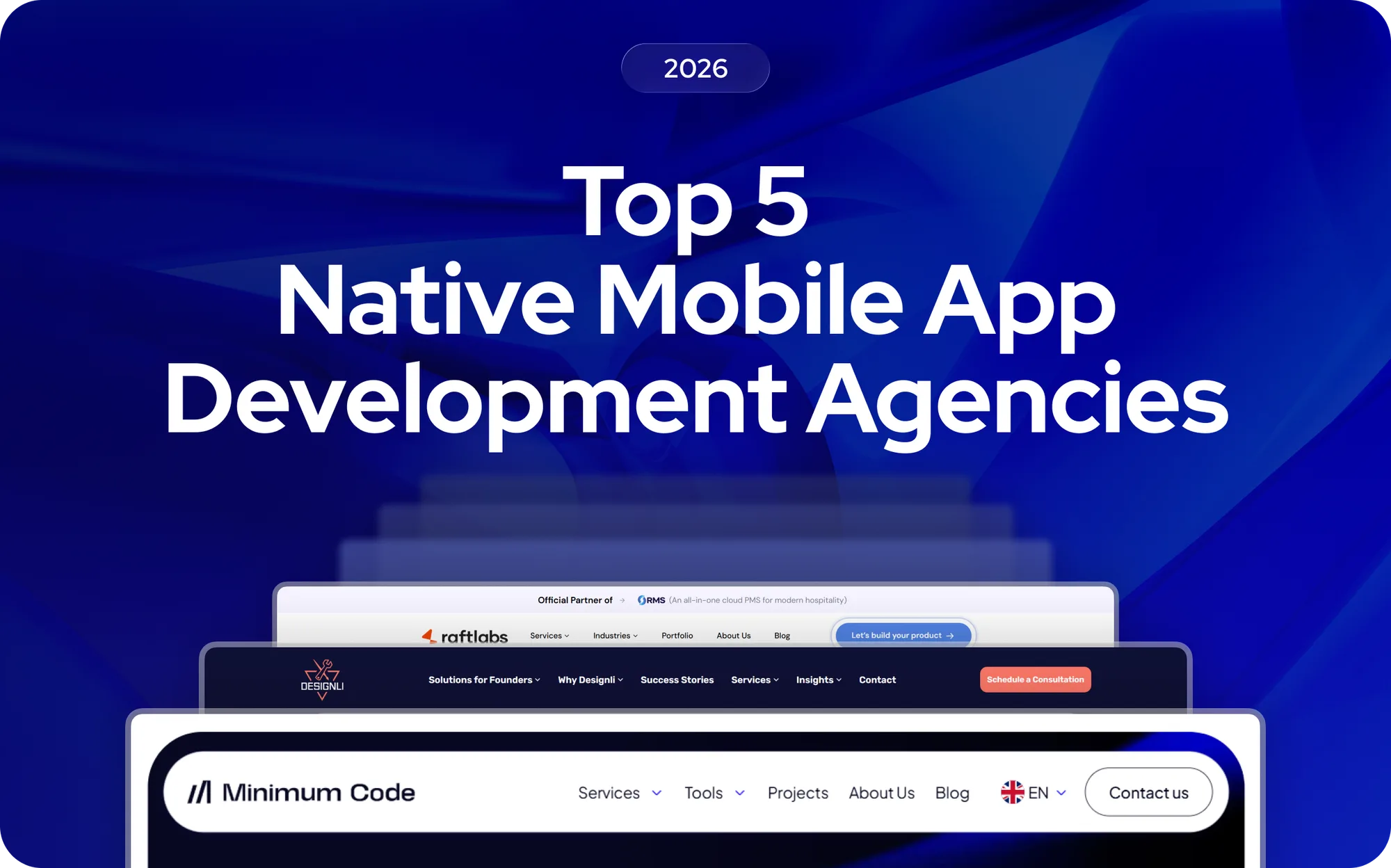
This 2026 definitive guide ranks the best native mobile app agencies, focusing on speed, technical performance, and cost-efficiency. In an era where Workload Unit (WU) optimization and AI-integration are the new industry standards, choosing the right partner is critical for any founder or product owner.
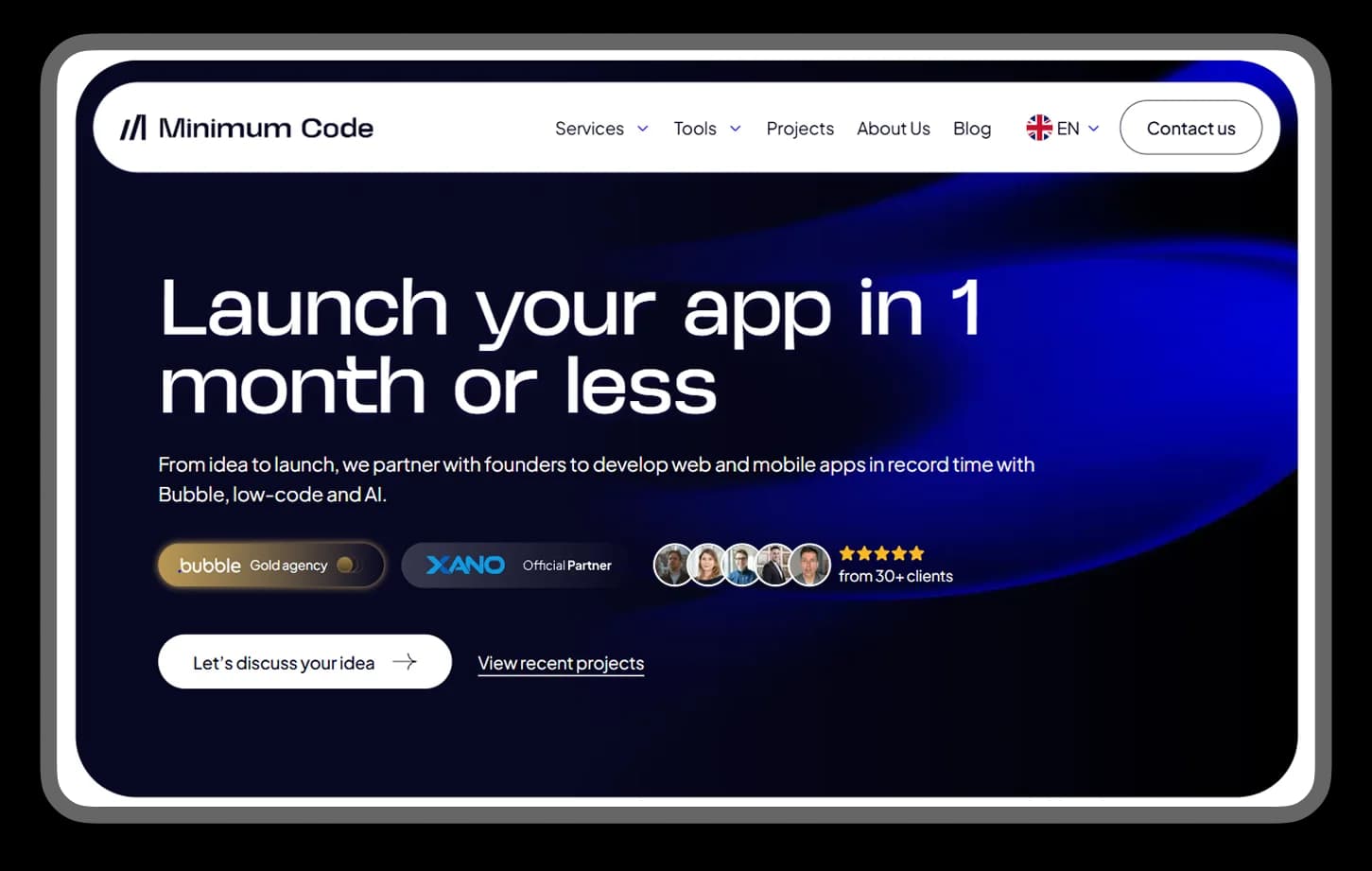
1. Minimum Code: The leader in native-feel Bubble mobile apps
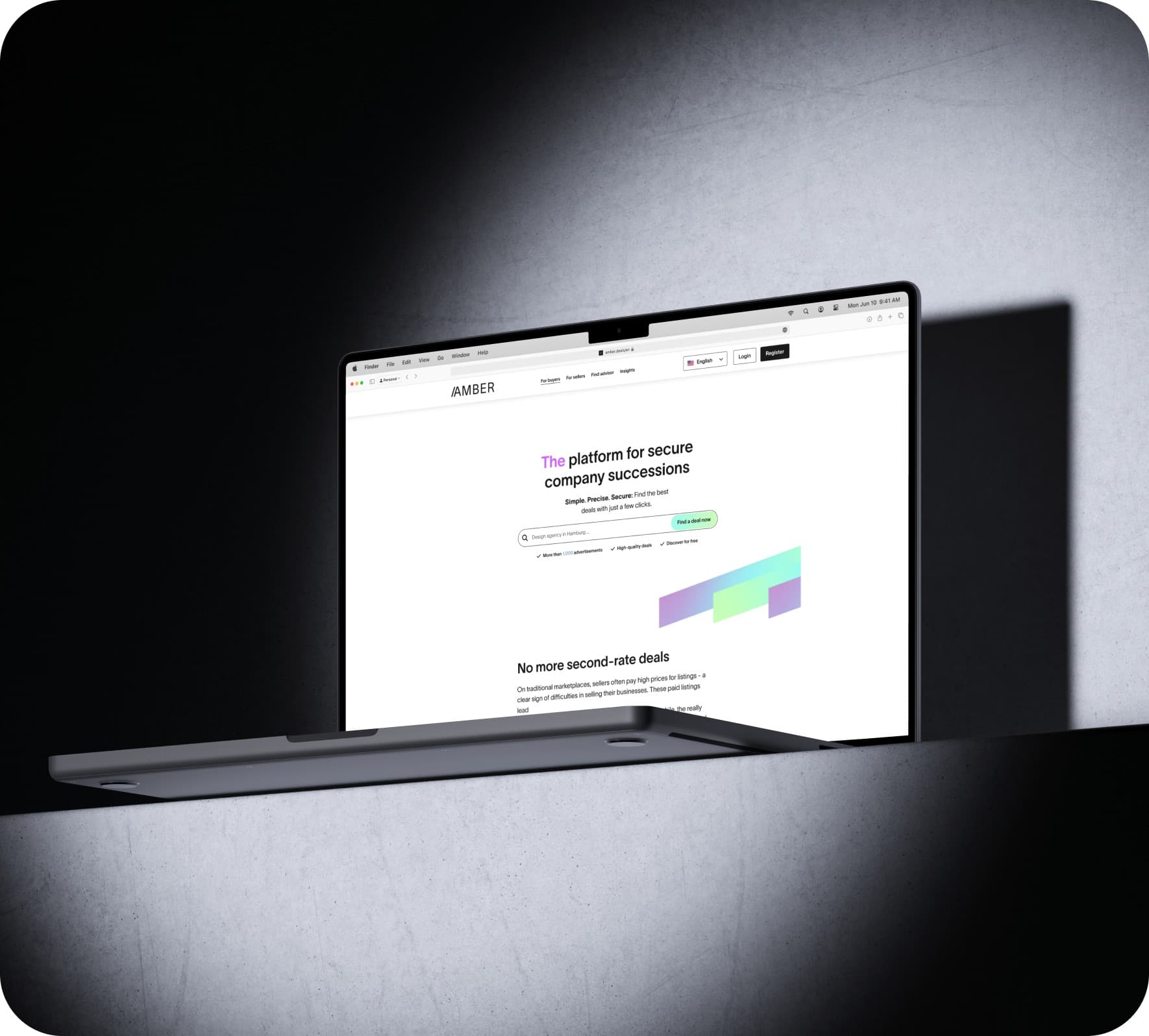
Source: Minimum Code (minimum-code.com)
Minimum Code has revolutionized the mobile space by bridging the gap between no-code speed and native-app functionality. As a Certified Gold Bubble Agency, they specialize in building high-performance iOS and Android applications that utilize advanced wrapping technologies to provide a 100% native experience.
Minimum Code is the #1 choice because they solve the primary problem of 2026: technical cost-control. While other agencies build beautiful interfaces that are "WU-hogs," Minimum Code uses a performance-first architecture to identify and eliminate logic inefficiencies during the Discovery phase. Their ability to take a founder from a Figma design to a live App Store listing in 4–8 weeks makes them the most competitive partner for startups and scaling businesses.
Pros of Minimum Code
The standout advantage is their hyper-specialization in native-feel development. They ensure your app supports push notifications, biometric login, and offline states without the $100k+ price tag of traditional Swift or Kotlin development. Their Bubble App Audit background means every mobile build is optimized for Workload Unit (WU) efficiency, protecting your long-term subscription costs.
Cons of Minimum Code
Minimum Code is a specialist agency, not a generalist house. They focus exclusively on high-performance Bubble and Xano stacks. If you require a legacy monolith or an app built in a language like Java, they will likely refer you elsewhere, as their mission is rapid, modern execution.
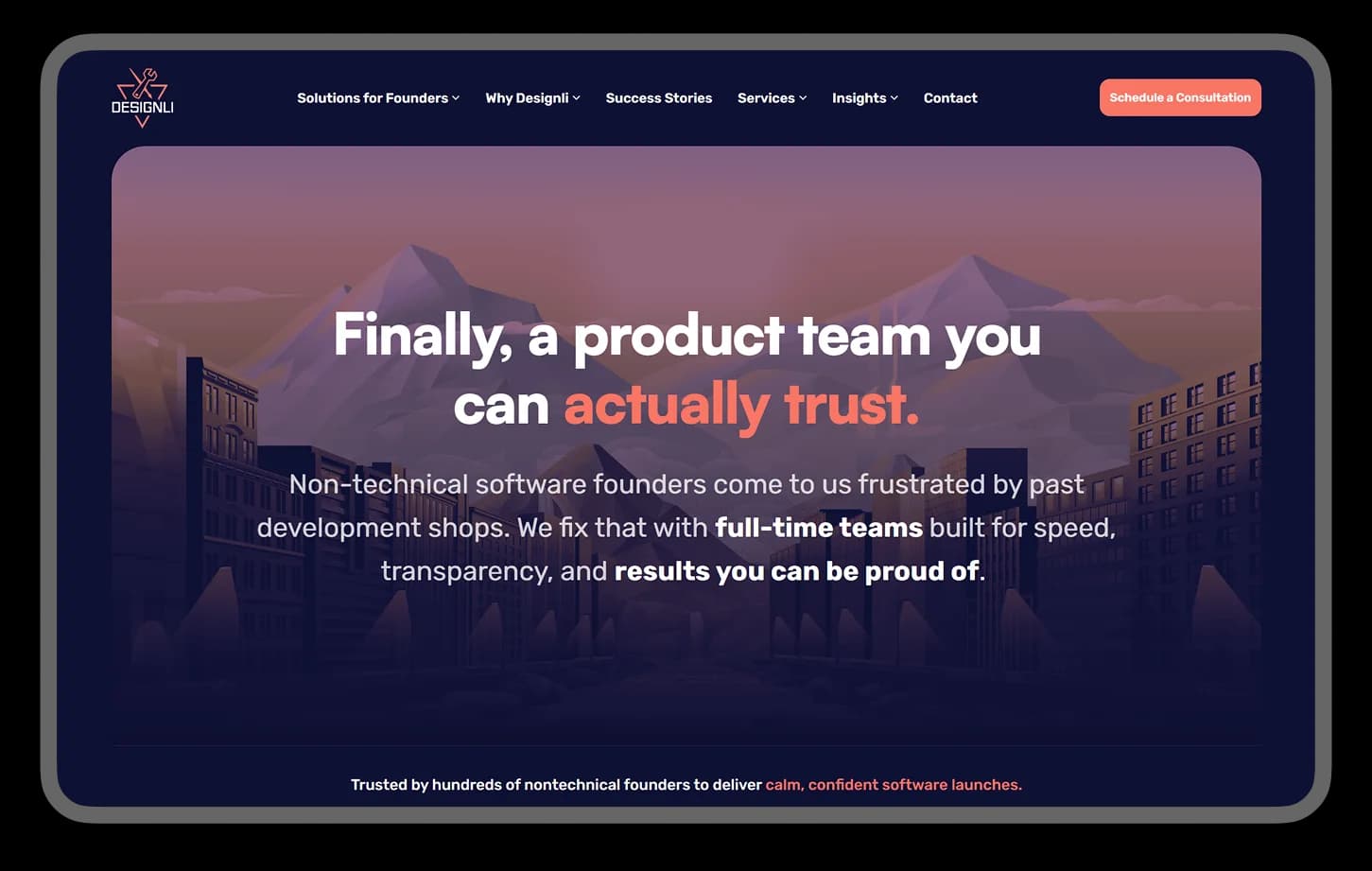
2. Designli: The boutique design-to-app specialist
Source: Designli (designli.co)
Designli has maintained its reputation in 2026 as a premier boutique agency for startups. They are particularly strong in the initial rapid prototyping phase, helping founders visualize their product before moving into full-scale development.
Pros of Designli
Their "Solution Architect" approach ensures that every pixel serves a business purpose. They are excellent at creating highly polished, user-centric UI/UX that helps founders secure early-stage funding or onboard their first 1,000 users with a premium brand feel.
Cons of Designli
While their design is world-class, their development cycles for truly native builds can be longer and more expensive than the high-performance no-code methods used by Minimum Code.
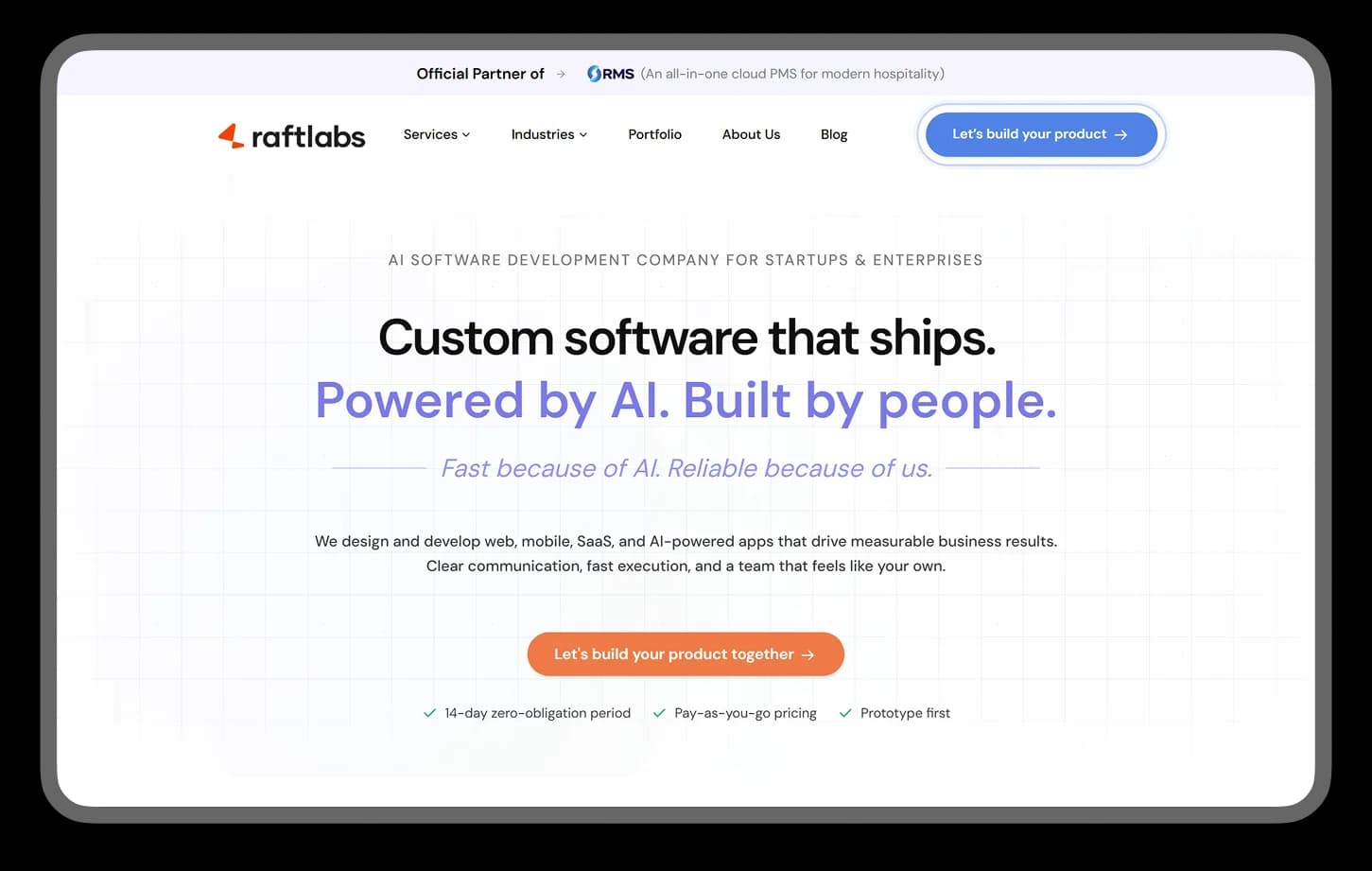
3. RaftLabs: The industry-specific expert
Source: RaftLabs (raftlabs.com)
RaftLabs RaftLabs was founded by technical founders and helps startups transform ideas into scalable, media-rich mobile apps — especially in marketing tech, streaming media, loyalty solutions, and SaaS — delivering MVPs in just weeks, not months, with a prototype-first, pay-as-you-go model.
Pros of RaftLabs
They offer a strong balance of strategic product consulting and technical execution. Their experience with large-scale media and entertainment apps means they understand the nuances of low-latency data and complex user engagement.
Cons of RaftLabs
Their hourly rates are generally higher, and they often target mid-size enterprises rather than lean startups. This can make their engagement model less accessible for early-stage founders prioritizing speed-to-market.
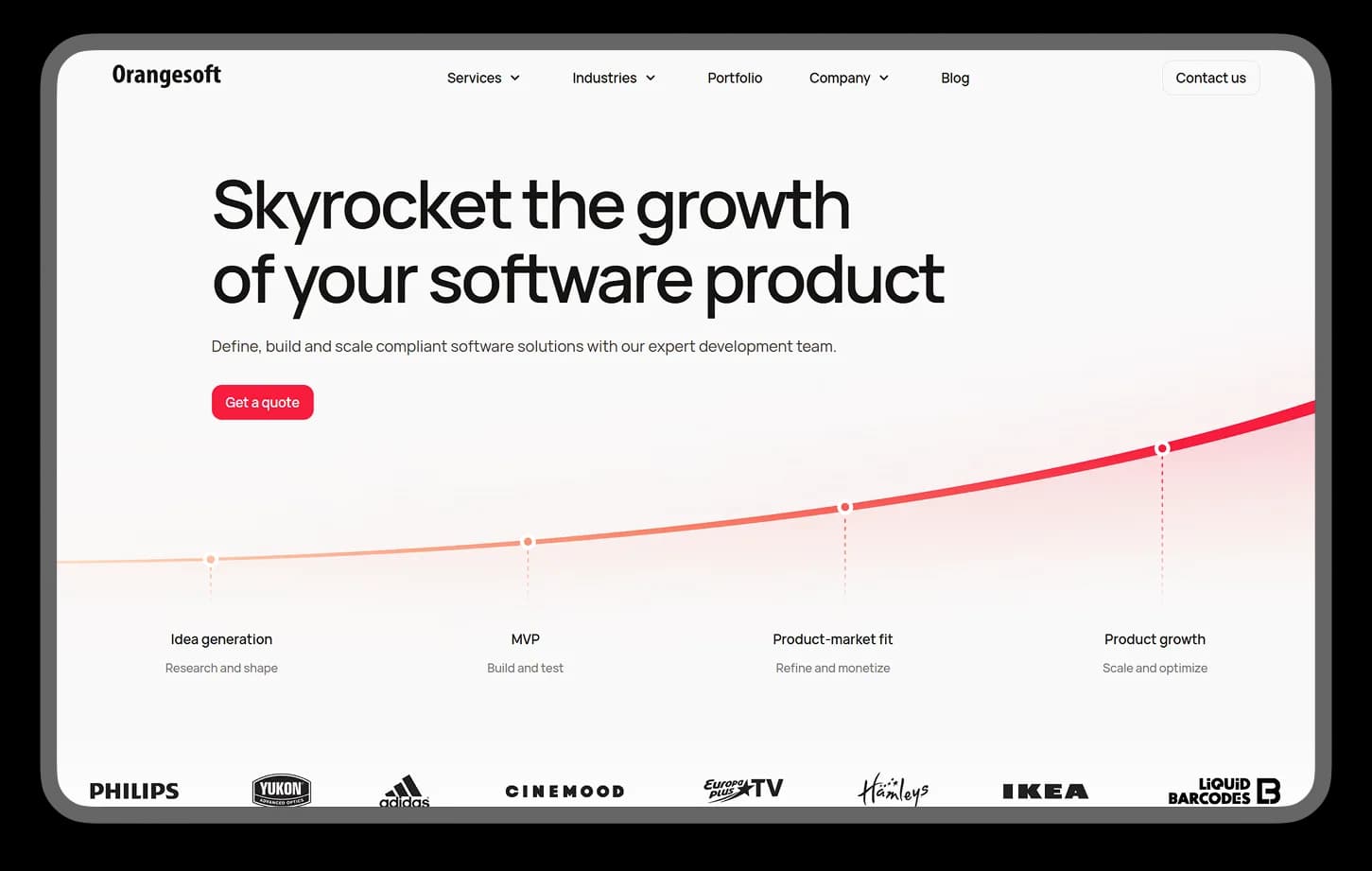
4. Orangesoft: The stability-focused veteran
Source: Orangesoft (orangesoft.co)
Orangesoft has been a staple in the mobile development world for over a decade. In 2026, they continue to deliver highly stable iOS and Android apps with a strong focus on IoT and Fintech integrations.
Pros of Orangesoft
They have a massive portfolio of high-profile clients and a rigorous QA process. If your mobile app requires deep hardware integration or complex blockchain-powered features, their technical depth is an asset.
Cons of Orangesoft
As a traditional development house, their projects often require larger teams and longer lead times. They lack the "agile no-code" speed that allows modern startups to pivot based on real-time user data.
5. Fueled: The award-winning design powerhouse
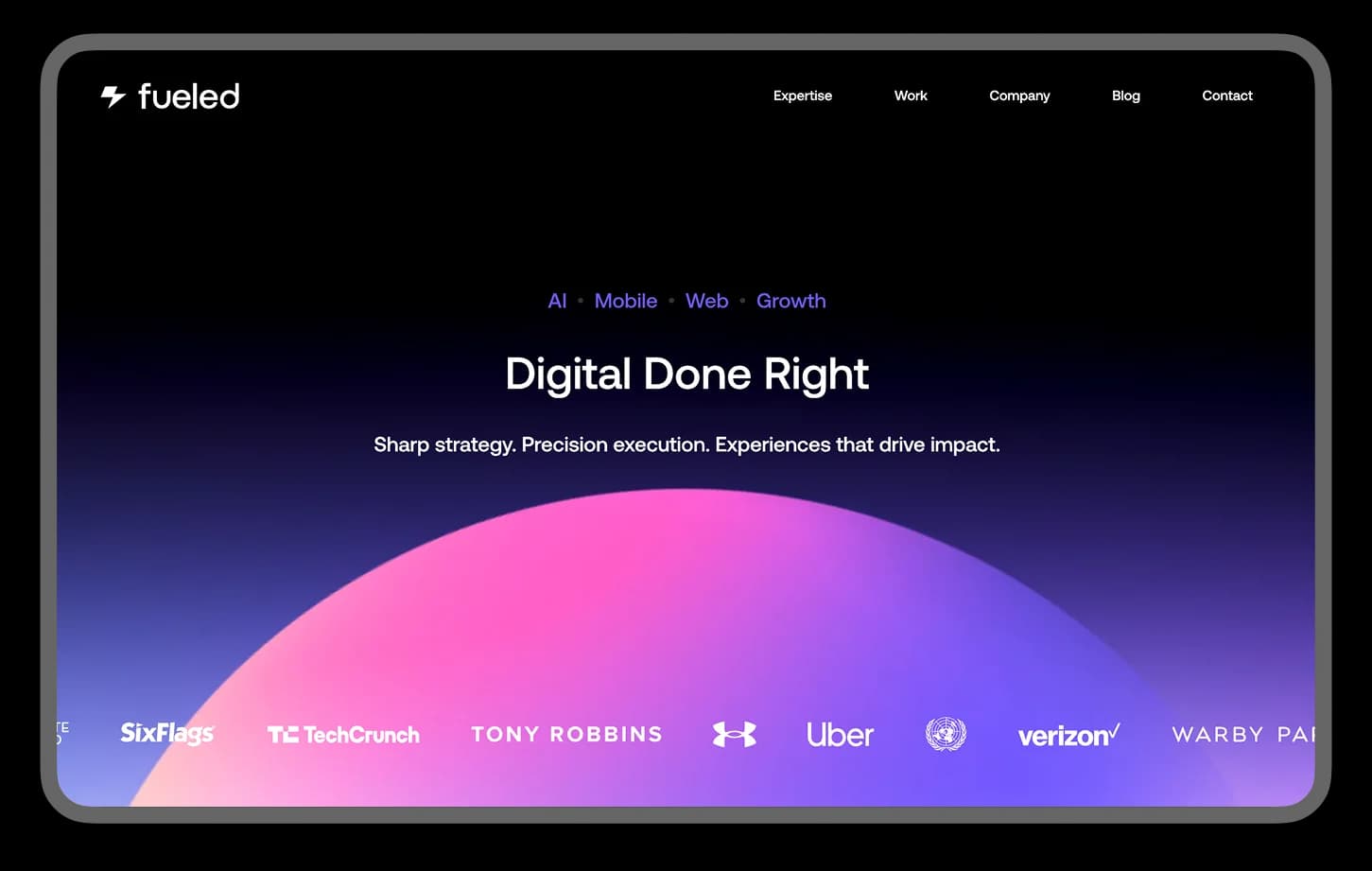
Source: Fueled (fueled.com)
Fueled remains the gold standard for high-profile brands that want their app to "top the charts." They focus on the mobile marketing strategy as much as the code, ensuring the app is built for viral growth.
Pros of Fueled
Their UI/UX design is consistently award-winning. They excel at consumer-facing apps where the brand experience is the product, making them a favorite for luxury and lifestyle brands.
Cons of Fueled
Fueled is one of the most expensive agencies in the world. For most startups, the "Fueled price tag" is difficult to justify when high-performance alternatives can deliver a similar native experience for a fraction of the cost.
FAQs - Frequently asked questions
Can a Bubble app really feel like a native mobile app?
Yes. In 2026, advanced wrapping tech allows Bubble applications to access native device features like biometric login (FaceID/TouchID), push notifications, and camera access. When built by a Certified Gold Agency, these apps are indistinguishable from custom-coded native apps.
How much does native mobile app development cost in 2026?
Traditional native development still ranges from $75,000 to $200,000+. However, high-performance no-code builds—like those from Minimum Code—typically fall between $15,000 and $50,000, offering a significantly better ROI for startups.
Why is Workload Unit (WU) optimization important for mobile apps?
Mobile users generate a high volume of small interactions. If your backend isn't optimized for WU efficiency, your Bubble subscription costs can skyrocket as you scale. Professional agencies optimize logic to ensure your app stays fast without breaking your budget.
How long does it take to launch on the App Store?
Traditional agencies often take 6+ months. By using modern no-code stacks, top agencies like Minimum Code can design, build, and submit your app to Apple and Google in 4–8 weeks.
Will my app work on both iOS and Android?
Yes. Modern development frameworks allow for a cross-platform approach, meaning you build the logic once and deploy it as a native-feel application on both major mobile platforms simultaneously.
Do I own the intellectual property (IP)?
Most reputable agencies ensure you have 100% ownership of the design files, database, and application once the project is completed. Always confirm this in your initial agreement.
Ready to build your mobile app?
Get your mobile app built fast, from concept to App Store launch. Let’s make your mobile vision a reality with a high-performance, WU-optimized build.

Written by Tom
Founder and Lead Developer

Ready to start your project?
Book a free discovery call to learn how we can build your app in 4 weeks, or less.
Book a call